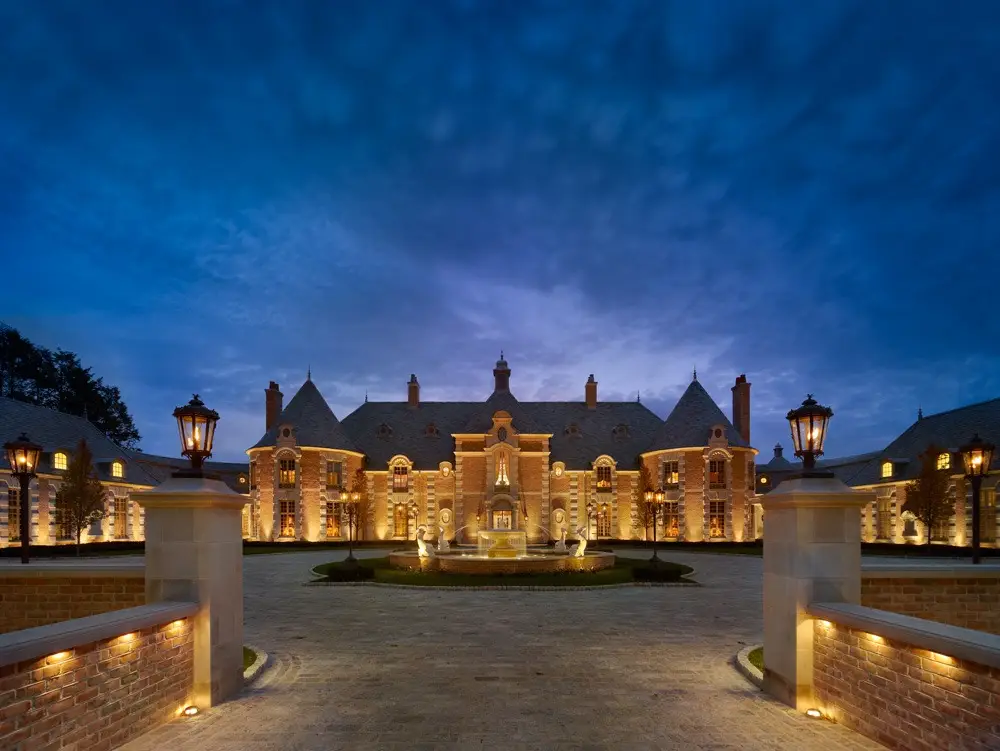
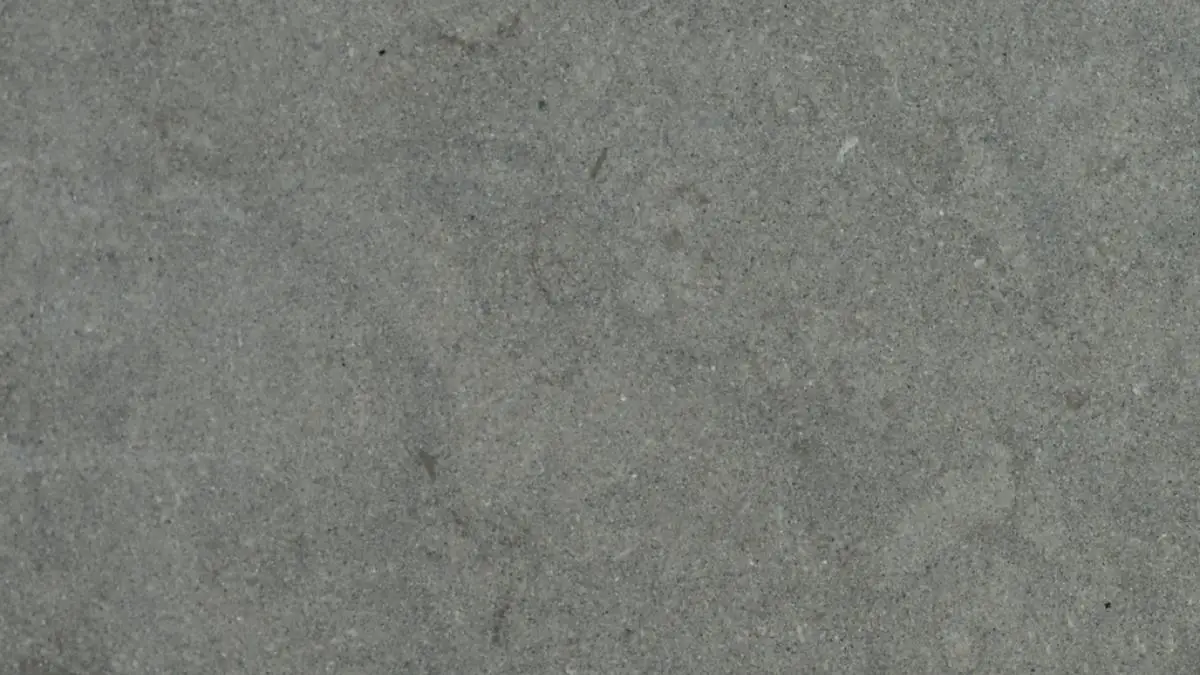
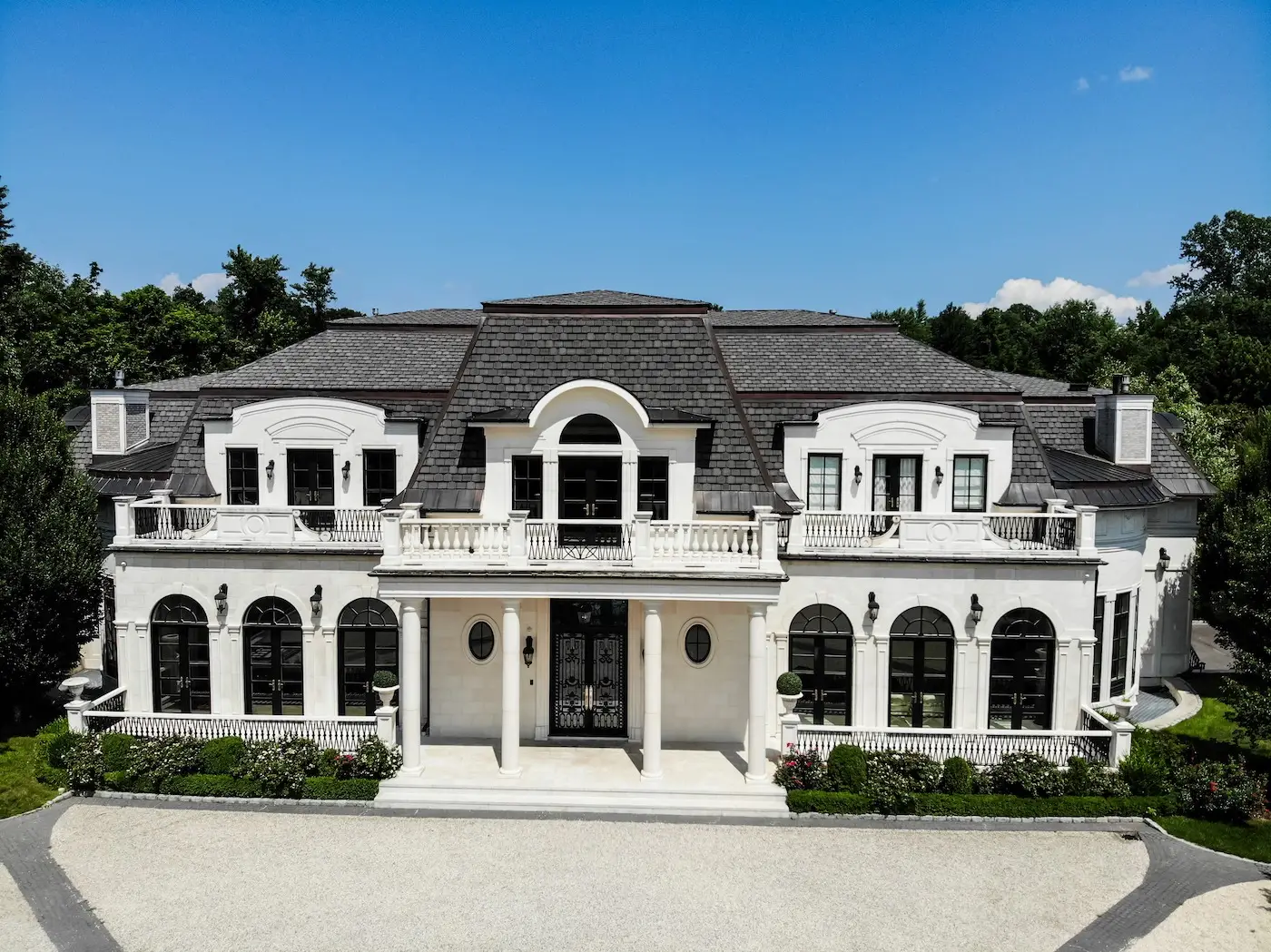
Sandstone is a 100% natural sedimentary stone made of sand and quartz grains compacted together over time, known for its naturally slip-resistant texture. At Pierrexpert, it’s custom cut for facades, terraces, pool surrounds, and driveways, in a range of warm tones that blend naturally into outdoor settings.
ORIGIN & COMPOSITION
A textured, versatile stone
Sandstone is made of sand, quartz, and organic material compacted naturally over time, under geological pressure. That composition gives it a wide color range, from warm beige to grey, and a texture that varies depending on the quarry of origin and the natural density of each variety.
Technically, sandstone’s quartz grains rate 6 to 7 on the Mohs hardness scale, but the stone’s overall performance varies with the natural density and compactness of each variety, specific to its quarry of origin. As a custom cut natural sandstone supplier, Pierrexpert selects varieties suited to each application, whether it’s exterior cladding, a terrace, or a pool surround.
That same porosity is what makes sandstone naturally slip-resistant, a real advantage for exterior walking surfaces. For facade applications in a climate like Canada’s and Northern United States’, variety selection and proper sealing make a meaningful difference in long-term durability.
USES
Applications
Residential and commercial facades
Terraces and driveways
Pool surrounds
Exterior and interior walls
Decorative features and fireplaces
Flooring in individual, easily replaceable tiles
TECHNICAL SPECIFICATIONS
Technical specifications
Composition
Sand, quartz, and organic material, naturally compacted
Hardness (Mohs)
6 to 7 for quartz grains, varies by variety
Porosity
Moderate to high, an asset for slip resistance
Thickness
Starting at 3/4 in., custom cut
Freeze-thaw resistance
Varies by variety, sealing recommended in cold climates
Maintenance
Periodic sealing recommended
Sandstone is naturally slip-resistant thanks to its porosity, which is why it’s a frequent choice for pool surrounds and terraces, where polished limestone or granite offer less traction.
Sandstone, Limestone, Granite or Marble: How to Choose
Sandstone
Sandstone stands out for its uniform look, consistent colour and texture, and excellent slip resistance, making it a top pick for pedestrian surfaces and projects looking for a cleaner, more regular appearance.
Limestone
Limestone, by contrast, draws on its natural variations, fossils, veining and colour nuances to offer a rich, one of a kind character, and it also lends itself well to carving.
Granite
Granite, harder and less porous, is the better fit for projects that demand maximum freeze thaw resistance with minimal upkeep.
Marble
Marble, meanwhile, is reserved for interior applications due to its sensitivity to freeze thaw cycles, but remains a sought after choice for countertops, floors and accent walls.
Our team can guide you based on your project’s architectural style and climate.
FREQUENTLY ASKED QUESTIONS
Everything about sandstone
What is natural sandstone and what are its main characteristics?
Sandstone is a natural sedimentary stone composed primarily of quartz and sand grains. Its naturally textured, slip-resistant surface, warm color palette, and resistance to weathering make it a very versatile material. At Pierrexpert, we are a trusted sandstone supplier offering custom-cut sandstone for high-end residential and commercial projects.
What are the best uses for sandstone?
Sandstone excels for terraces and patios, pool surrounds, exterior facades, driveways and entry paths, and interior feature walls. Custom-cut sandstone adapts to any format, from thin veneer panels to thick pavers.
What is the difference between sandstone and limestone for a facade?
Limestone offers a smoother look with more refined tones, ideal for detailed mouldings. Sandstone has a more granular texture, warmer colors, and a more organic feel. Some high-end projects combine both for visual contrast.
How do you maintain natural sandstone?
Clean with warm water and a neutral-pH soap. Apply a water-repellent sealer every 3 to 5 years. Avoid high-pressure washing at close range, acidic products, and de-icing salt.
Is sandstone good for terraces and pool surrounds?
Yes, it’s one of the best natural stones for these applications. Its naturally slip-resistant surface provides good traction even when wet, and it doesn’t absorb as much heat as concrete.
To provide the best experiences, we use technologies like cookies to store and/or access device information. Consenting to these technologies will allow us to process data such as browsing behavior or unique IDs on this site. Not consenting or withdrawing consent, may adversely affect certain features and functions.
Functional
Always active
The technical storage or access is strictly necessary for the legitimate purpose of enabling the use of a specific service explicitly requested by the subscriber or user, or for the sole purpose of carrying out the transmission of a communication over an electronic communications network.
Preferences
The technical storage or access is necessary for the legitimate purpose of storing preferences that are not requested by the subscriber or user.
Statistics
The technical storage or access that is used exclusively for statistical purposes.The technical storage or access that is used exclusively for anonymous statistical purposes. Without a subpoena, voluntary compliance on the part of your Internet Service Provider, or additional records from a third party, information stored or retrieved for this purpose alone cannot usually be used to identify you.
Marketing
The technical storage or access is required to create user profiles to send advertising, or to track the user on a website or across several websites for similar marketing purposes.