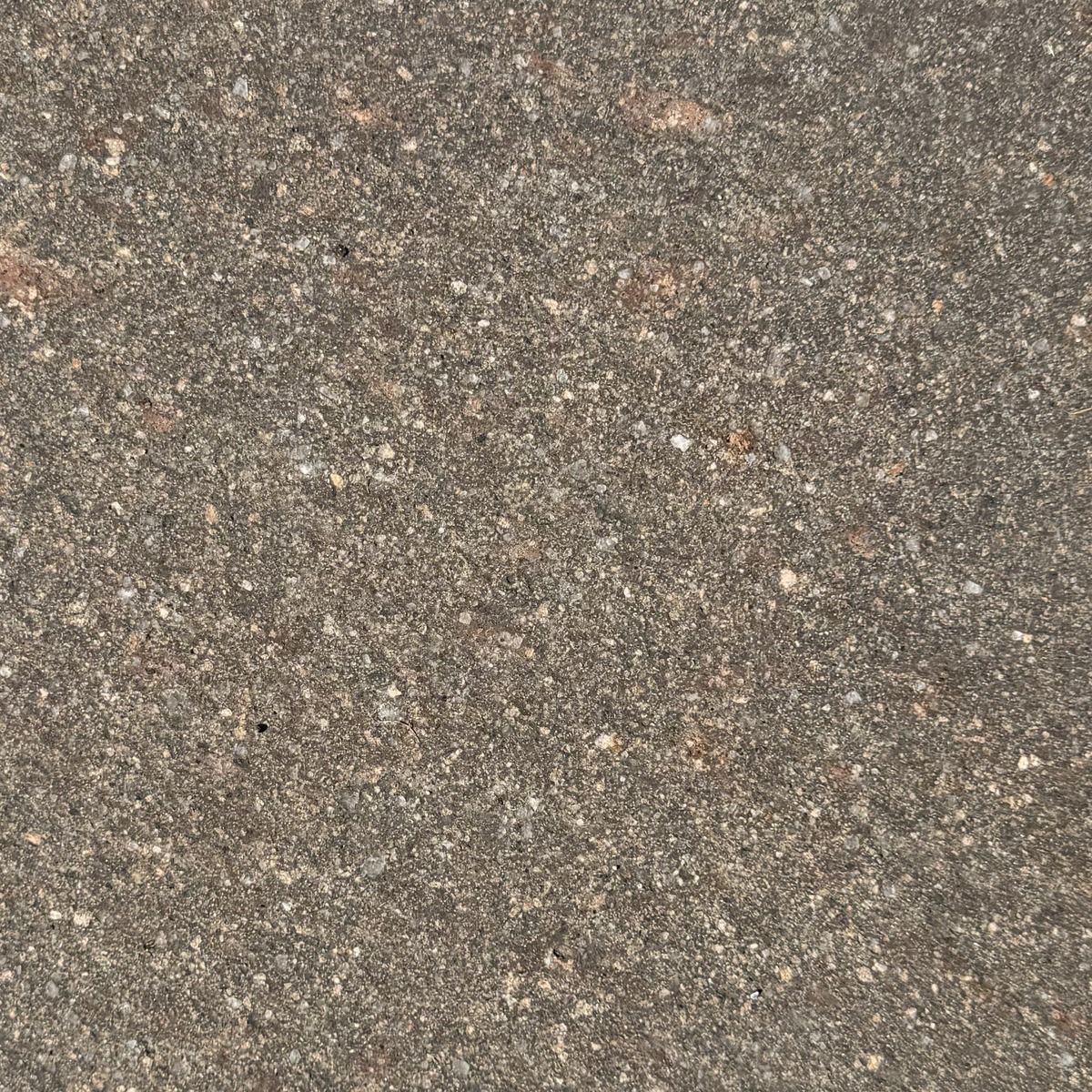
Malbec
Dense grey-brown volcanic stone flecked with light crystals. Freeze-thaw resistant and naturally slip resistant, it is well suited to paving, steps, and outdoor landscaping.


Home / Stone Selection / Granite
Architectural natural stone
About granite
Granite is an igneous stone known for its hardness and extremely low porosity, two qualities that make it one of the natural stones most resistant to freeze-thaw cycles. At Pierrexpert, it is custom cut for floors, facades, and exterior as well as interior cladding, making it especially well suited to winters in Quebec, Ontario, and the northeastern United States.
Granite forms as magma slowly cools deep underground, giving it a very dense crystalline structure. This density translates into a hardness of 6 to 7 on the Mohs scale and water absorption generally below 0.4%, a rate significantly lower than limestone, sandstone, or marble.
This low porosity explains granite’s exceptional resistance to freeze-thaw cycles: very little water penetrates the stone, leaving almost nothing to freeze and cause internal damage over repeated winters. Granite facades installed more than 100 years ago remain intact today for this very reason.
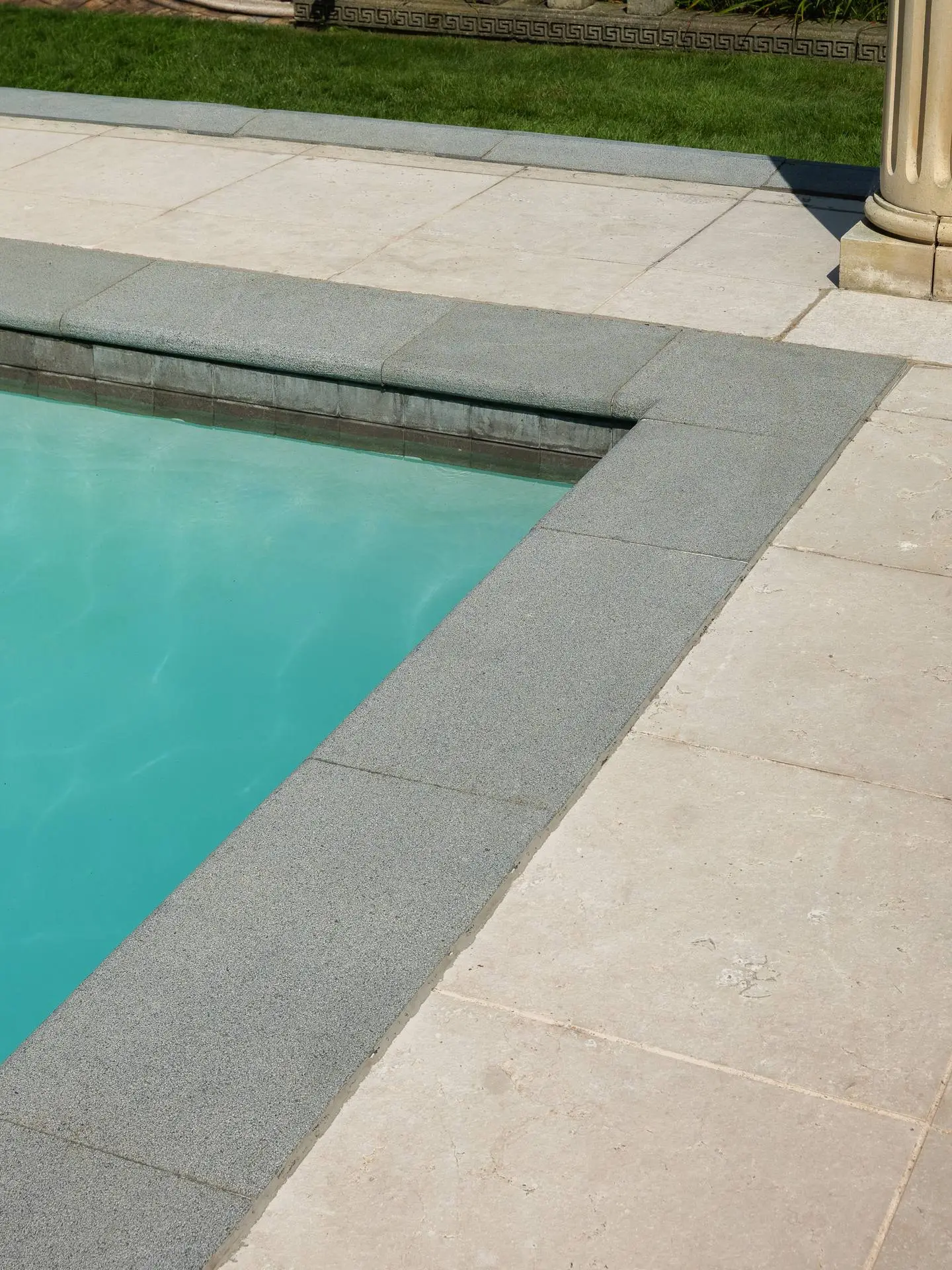
As a supplier of custom-cut granite, Pierrexpert offers this stone for both outdoor and indoor flooring, a level of versatility few other natural stones can match. Its resistance to scratches, stains, UV rays, and chemicals also makes it a reliable choice for high-traffic areas, indoors and outdoors.
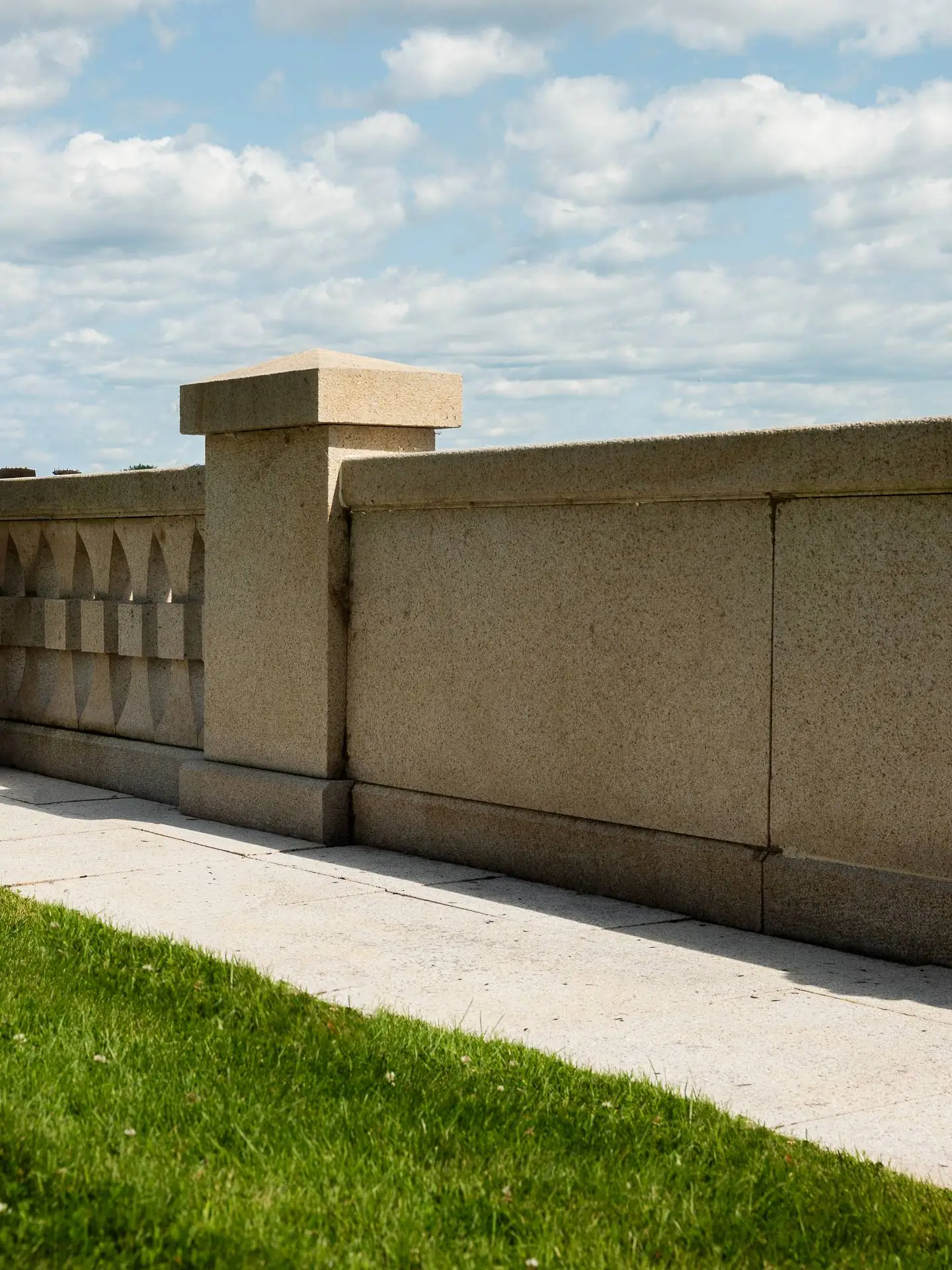
Granite generally absorbs less than 0.4% water, compared with porosity that can reach 15% in some limestones, which explains its clear advantage in freeze-thaw resistance.
Granite facades installed more than 100 years ago remain structurally intact today, a sign of the material’s exceptional longevity.
Dense grey-brown volcanic stone flecked with light crystals. Freeze-thaw resistant and naturally slip resistant, it is well suited to paving, steps, and outdoor landscaping.
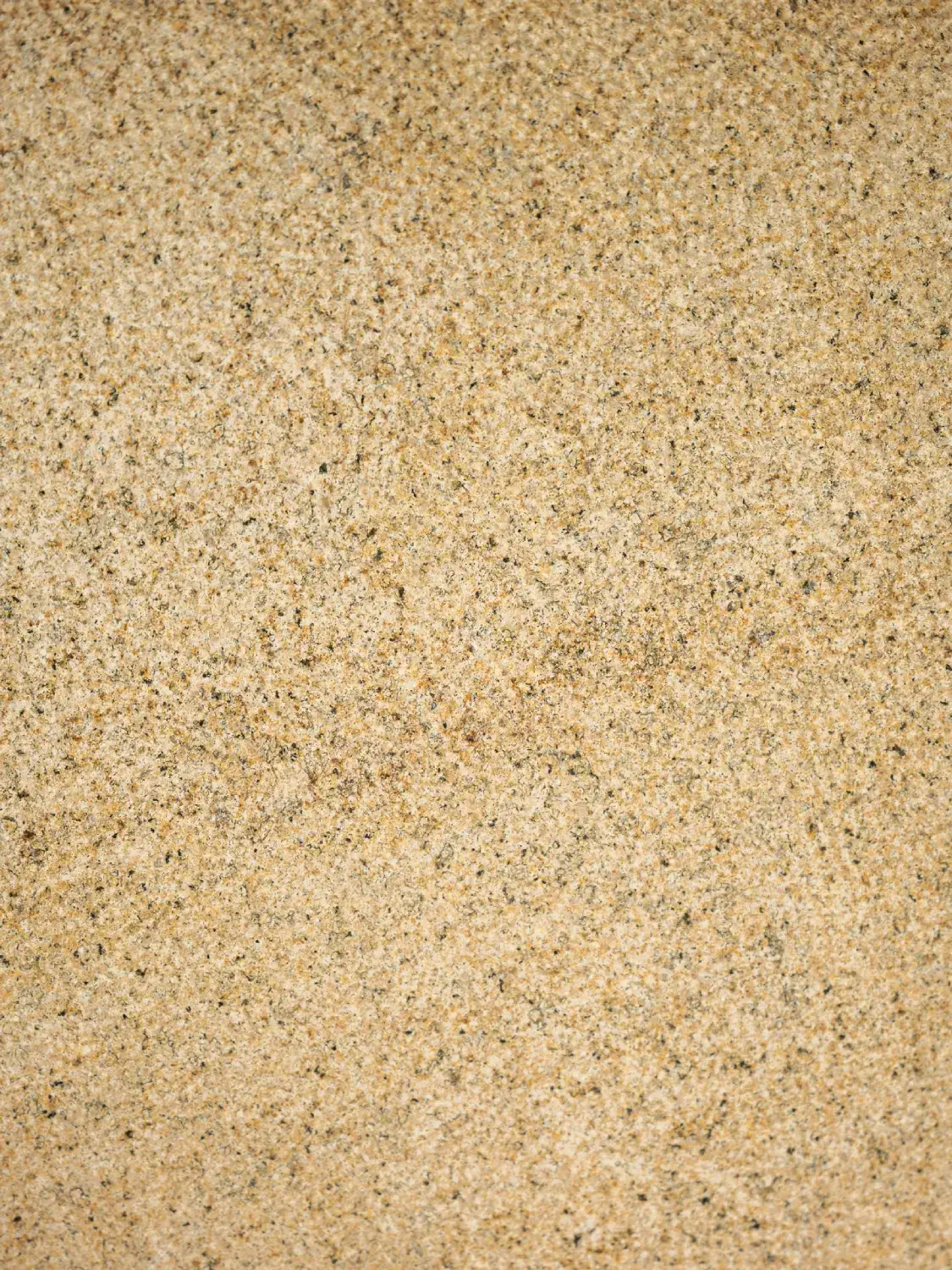
Warm yellow granite with golden undertones and natural mineral movement. Durable and freeze-thaw resistant, it is ideal for facades, steps, paving, and outdoor landscaping.
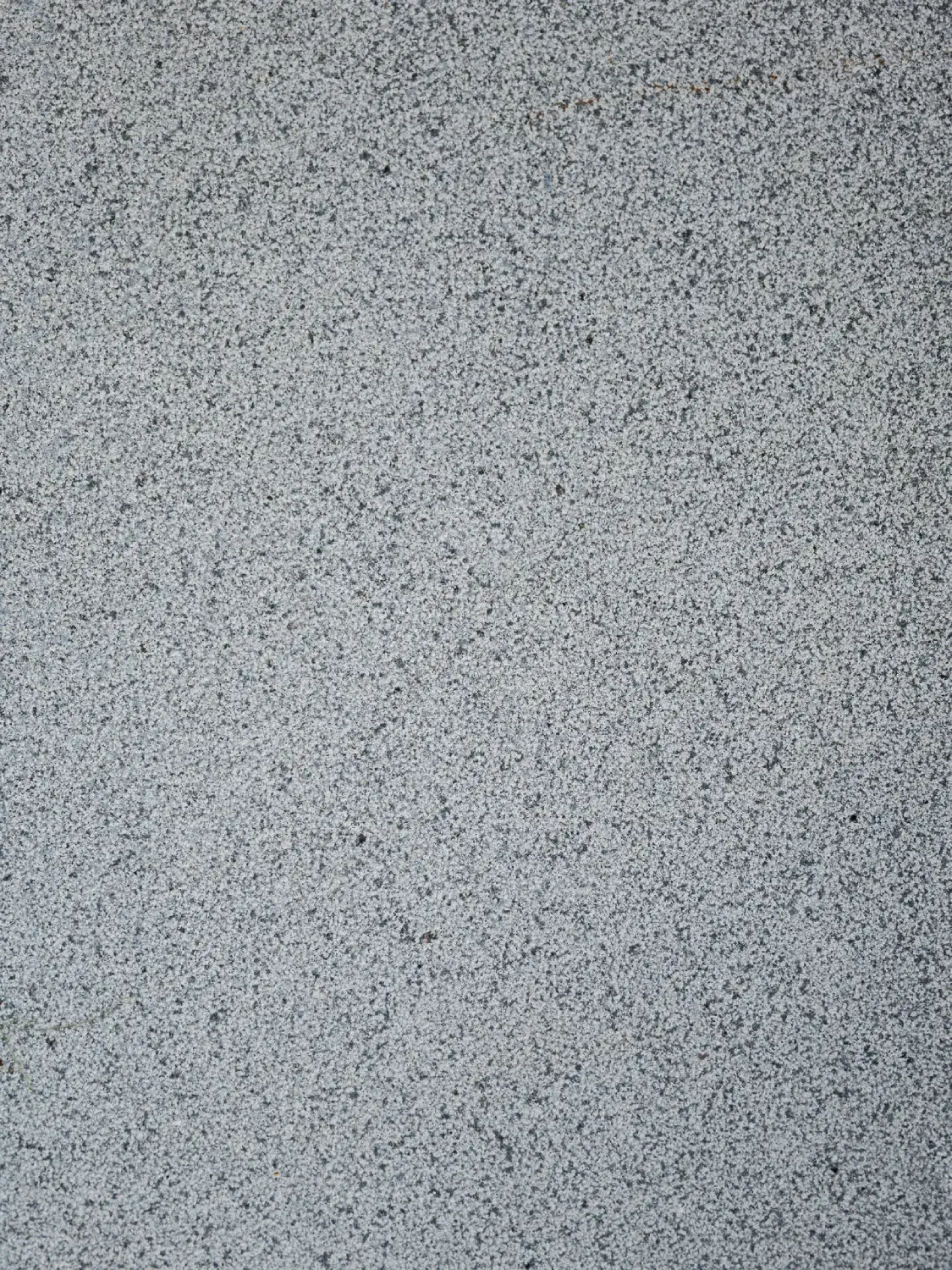
Refined grey granite with fine grain and subtle tonal variation. Its strength makes it an excellent choice for facades, floors, steps, and exterior surfaces.
Order a sample to appreciate the stone’s colour and texture in person.
Granite stands out for its hardness and low porosity, making it the preferred choice for projects requiring maximum freeze-thaw resistance with minimal maintenance.
Limestone draws its character from natural variations, fossils, veining, and colour nuances, while also lending itself well to detailed carving.
Sandstone offers a more uniform appearance and excellent slip resistance, making it well suited to pedestrian surfaces.
Marble is best reserved for indoor applications: its sensitivity to freeze-thaw cycles makes it poorly suited to cold-climate exteriors, but it remains popular for countertops, floors, and accent walls.
Our team can guide you based on your project’s architectural style and climate. Explore our complete Stone Selection and our custom stone services.
Its extremely low porosity, with less than 0.4% water absorption, greatly limits damage from freeze-thaw cycles, unlike more porous stones such as marble.
Yes. The same granite can be used for an outdoor floor exposed to the elements and a high-traffic indoor floor.
No, very little. Its low porosity makes it naturally stain resistant, and occasional sealing is generally enough to preserve its appearance.
Granite is harder and far less porous, making it more weather resistant with minimal maintenance. Limestone offers warmer tones and is easier to carve into fine architectural details.
Request a free quote or order a granite sample for your project.