
Home / Stone Selection / Limestone
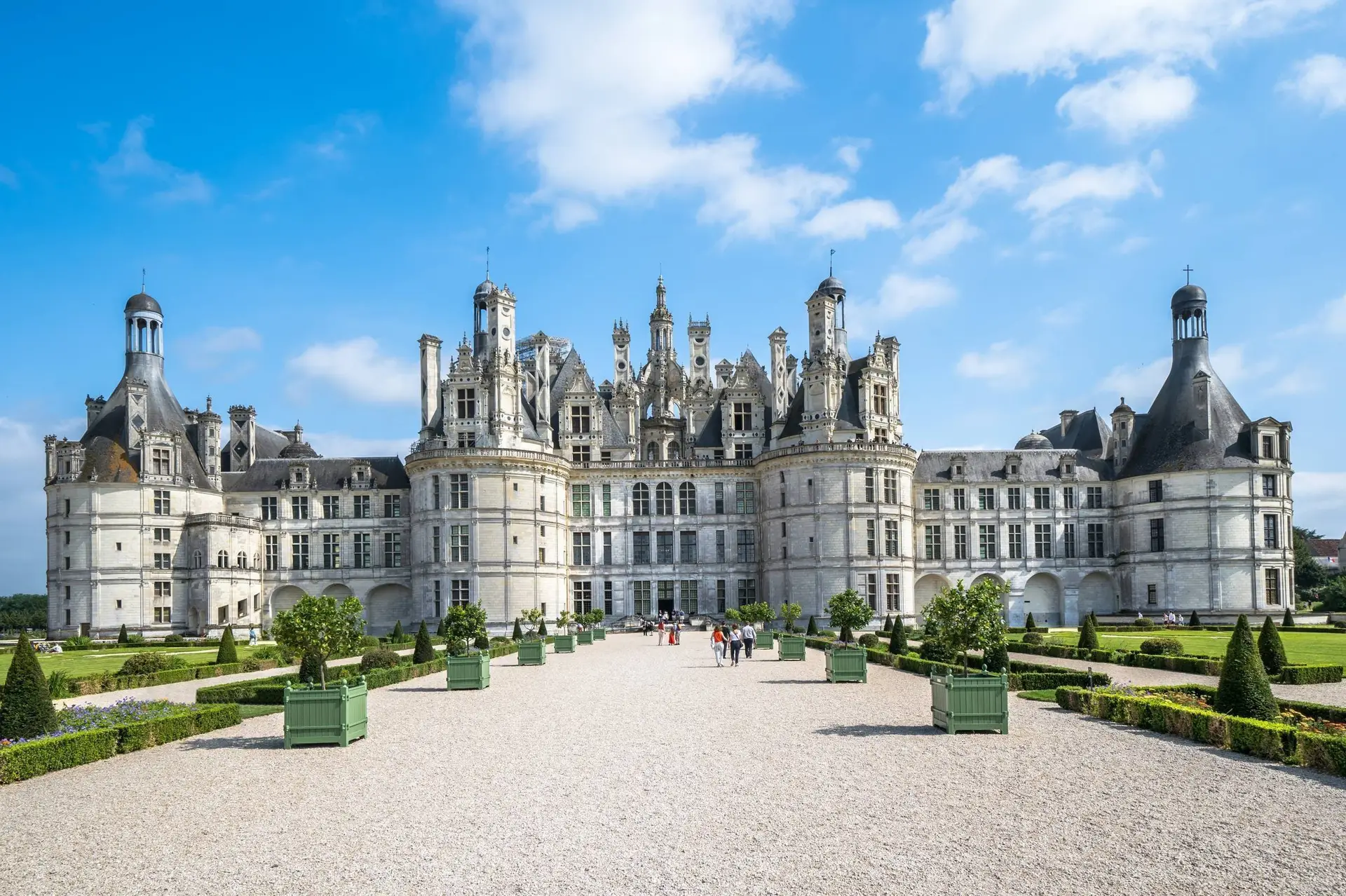
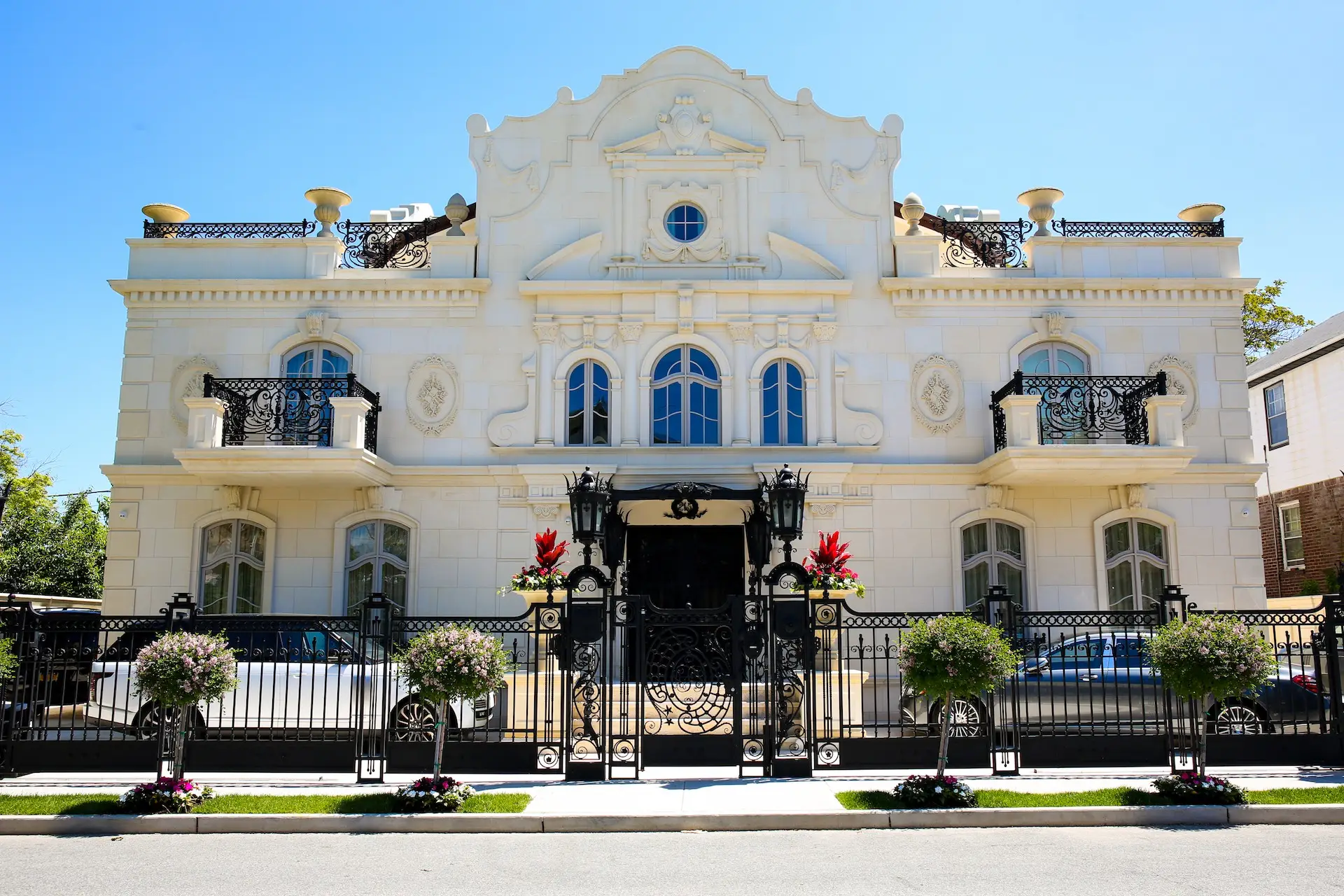
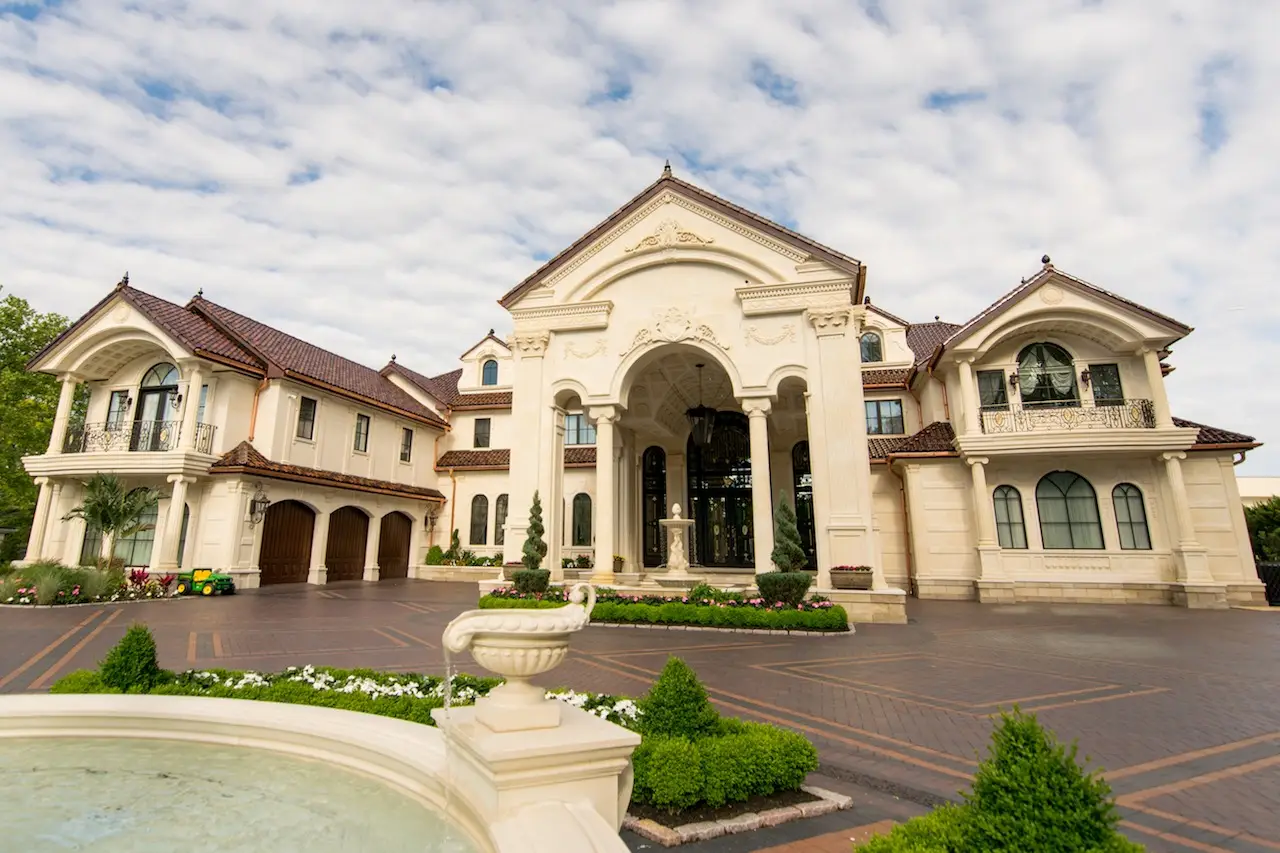
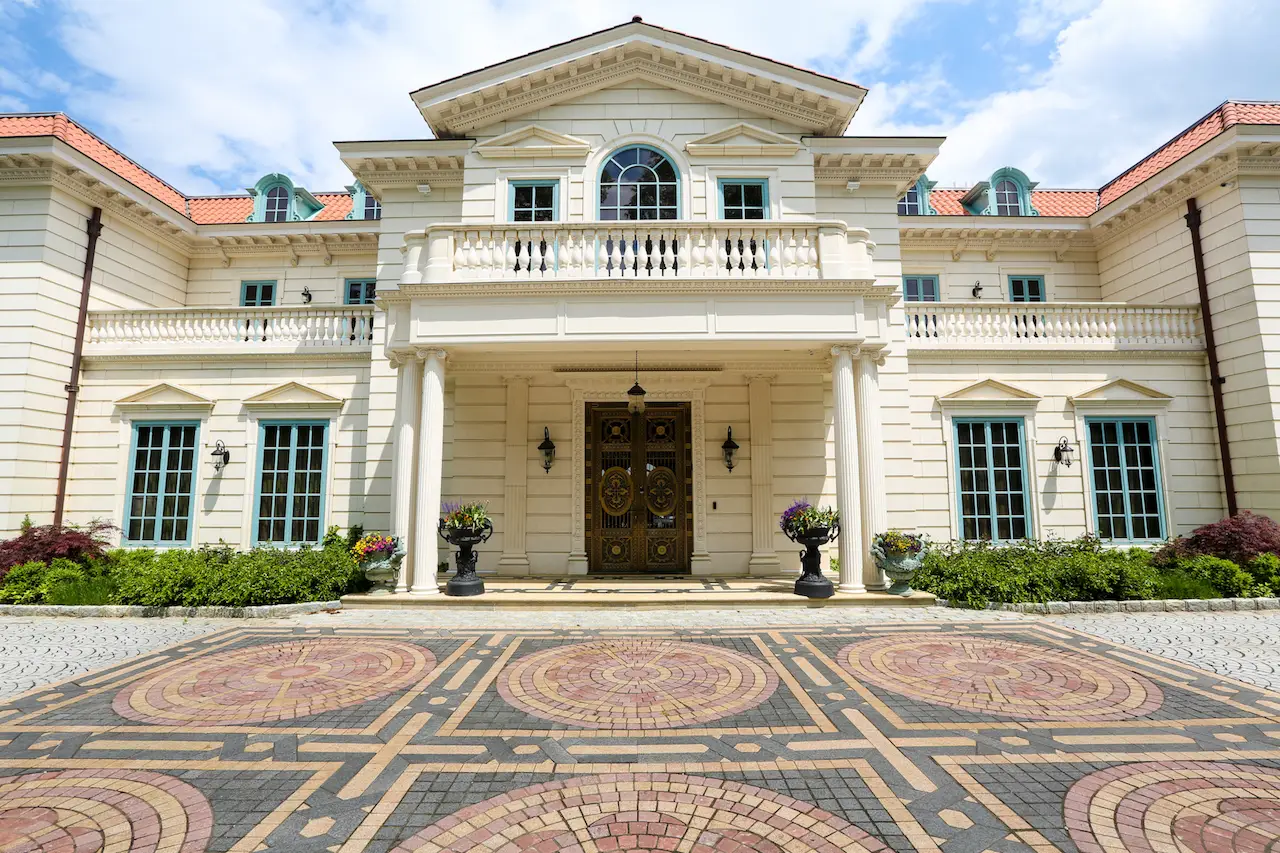
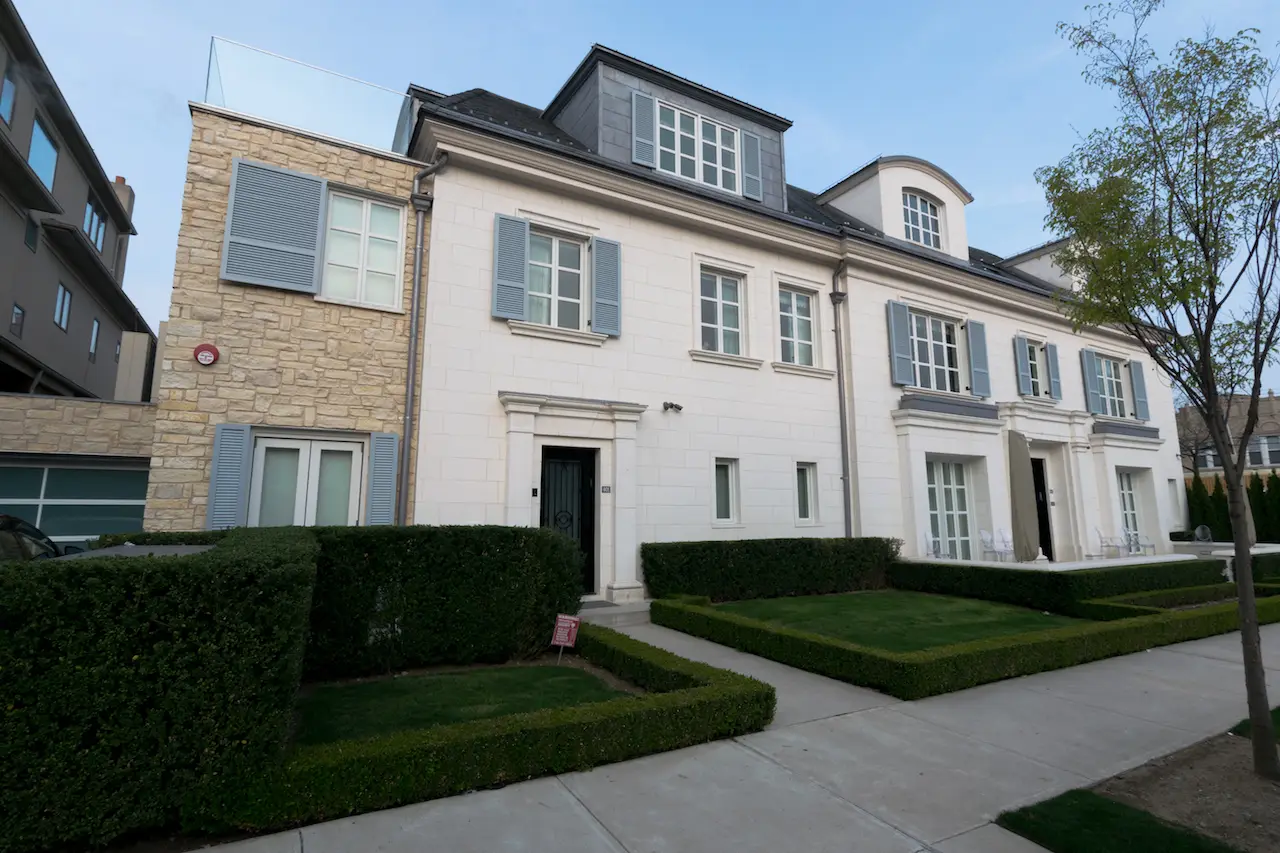
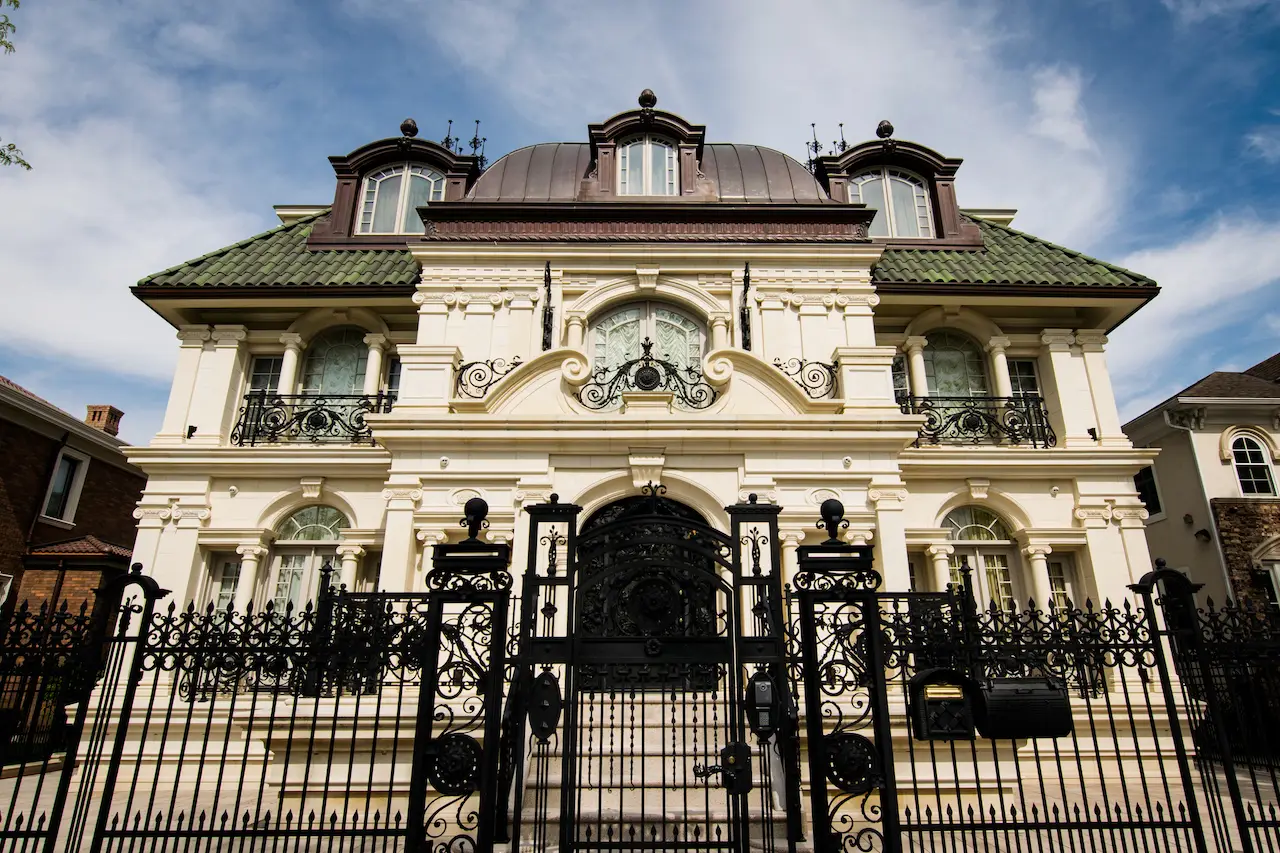
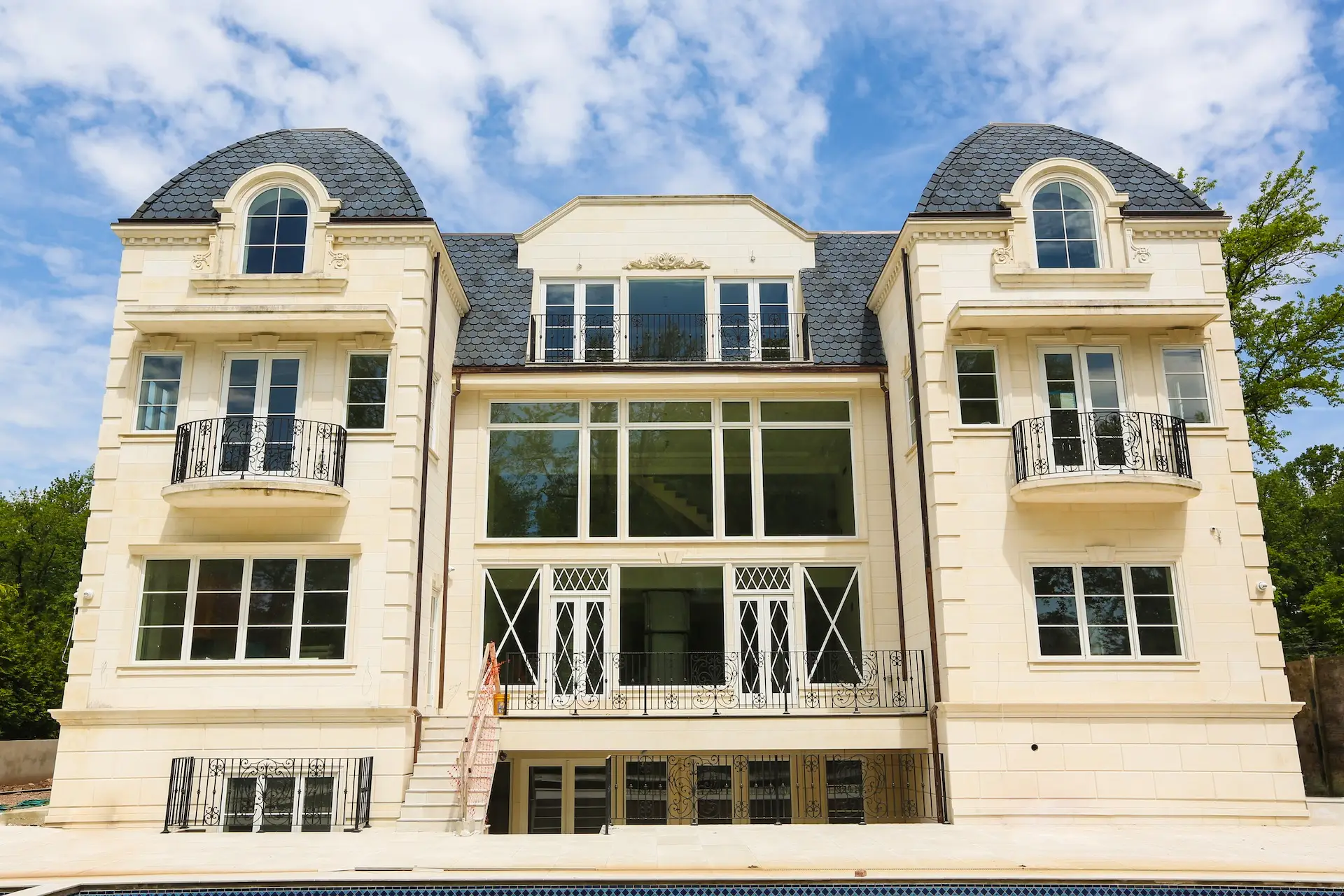
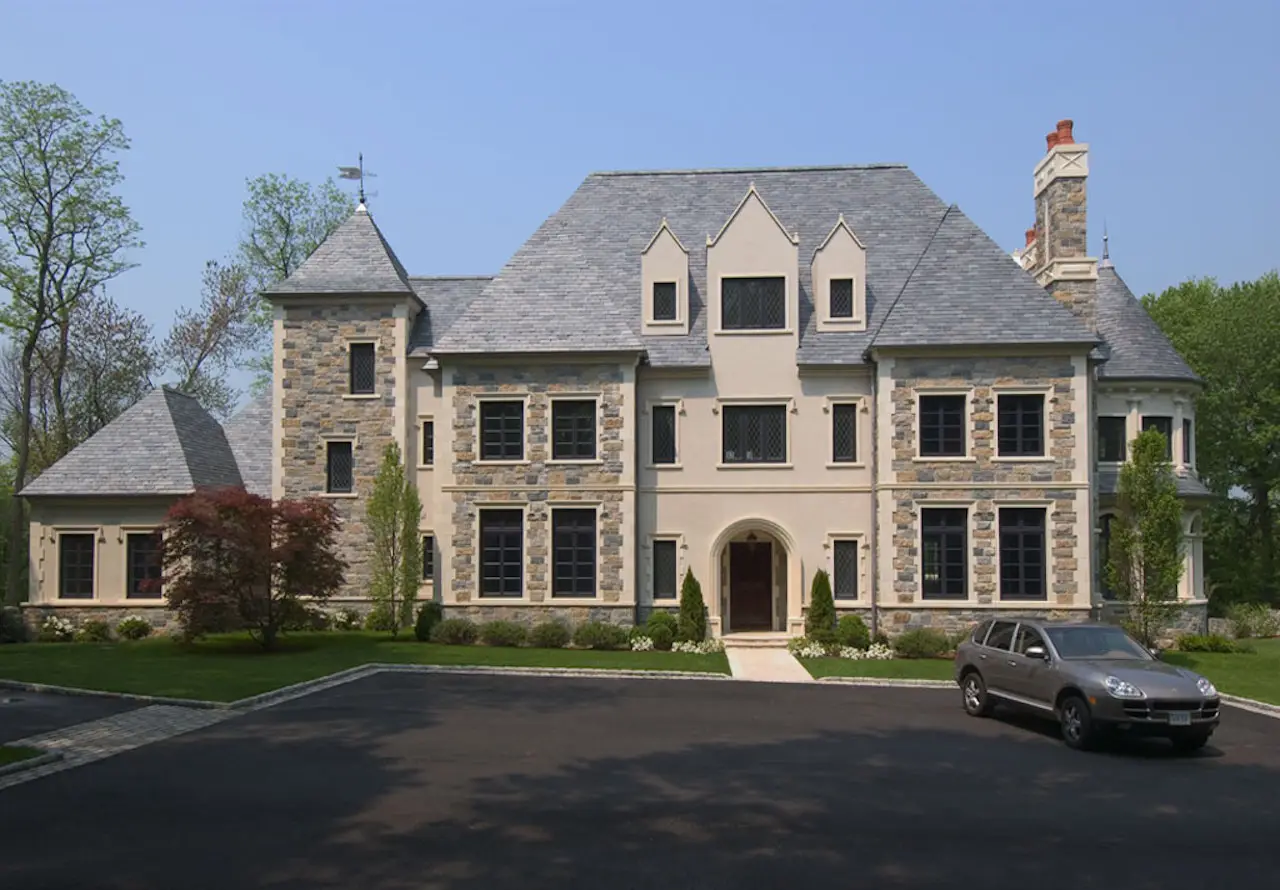
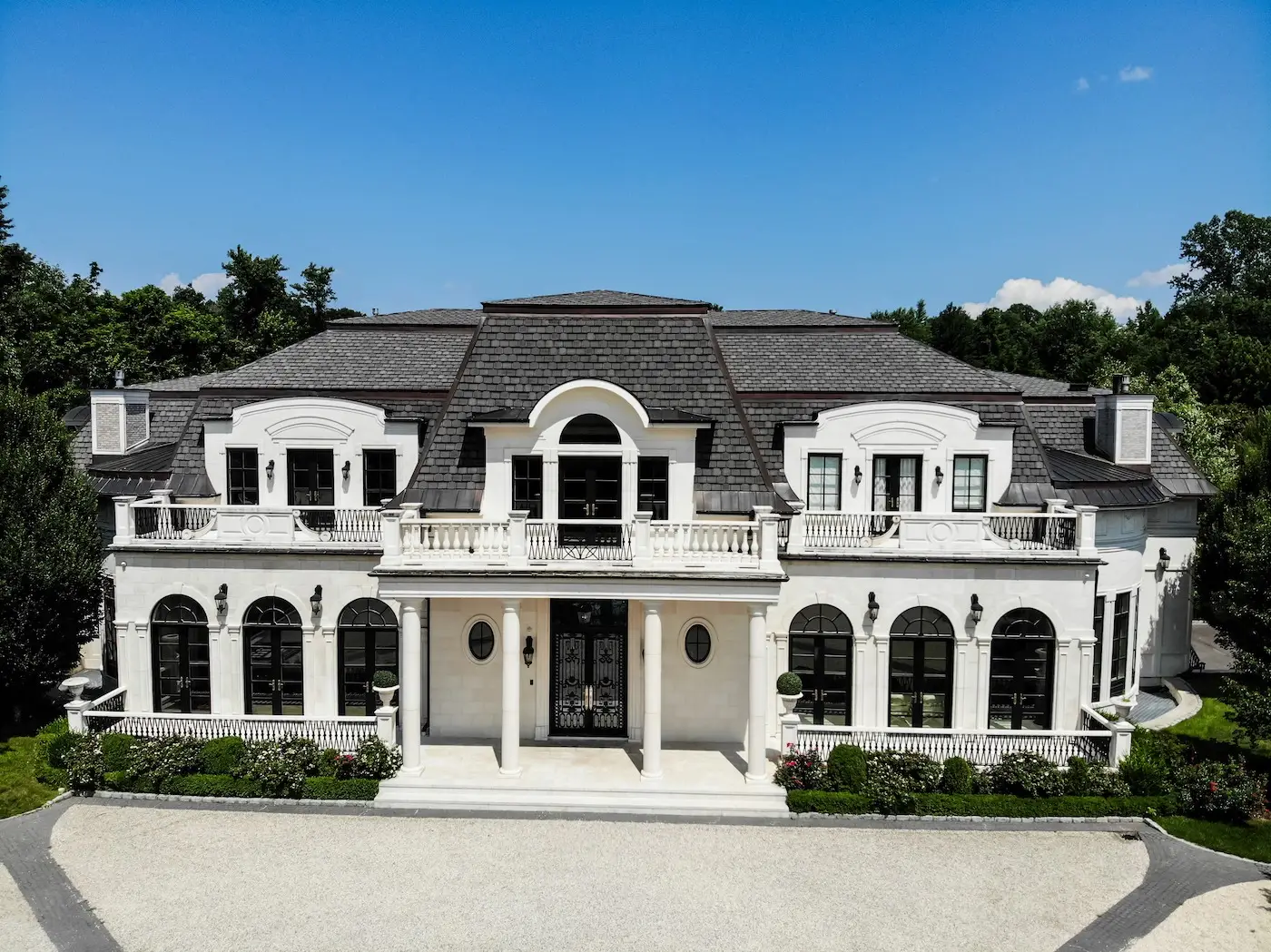
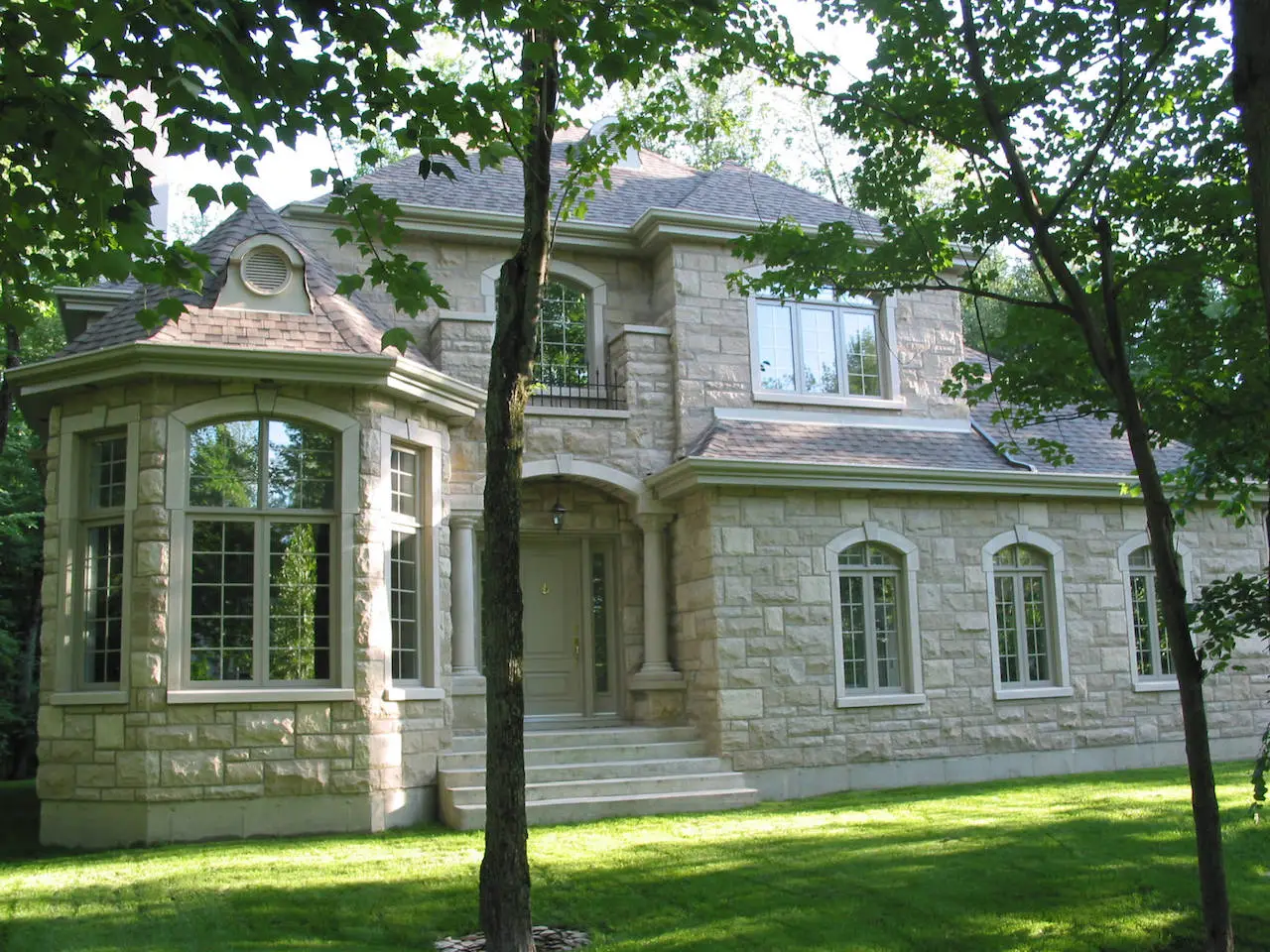
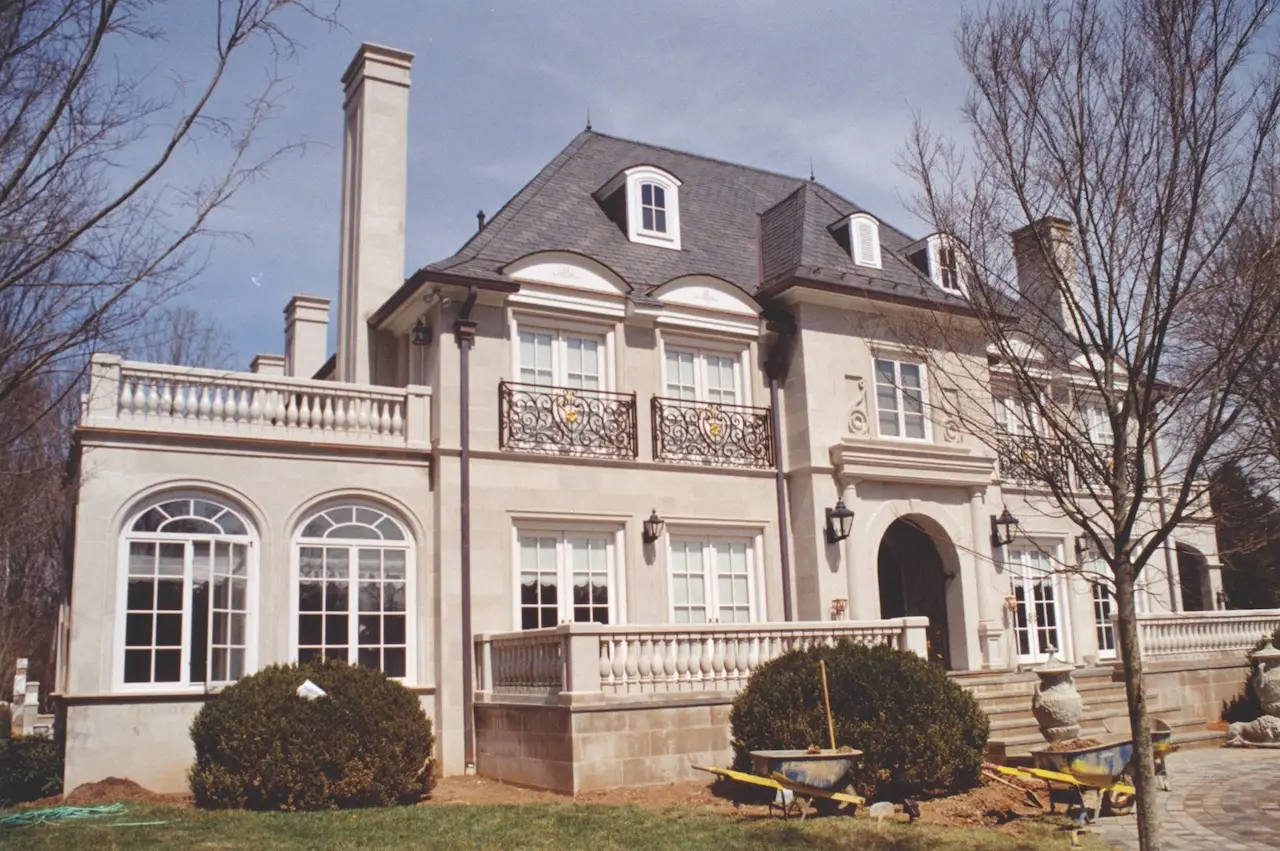
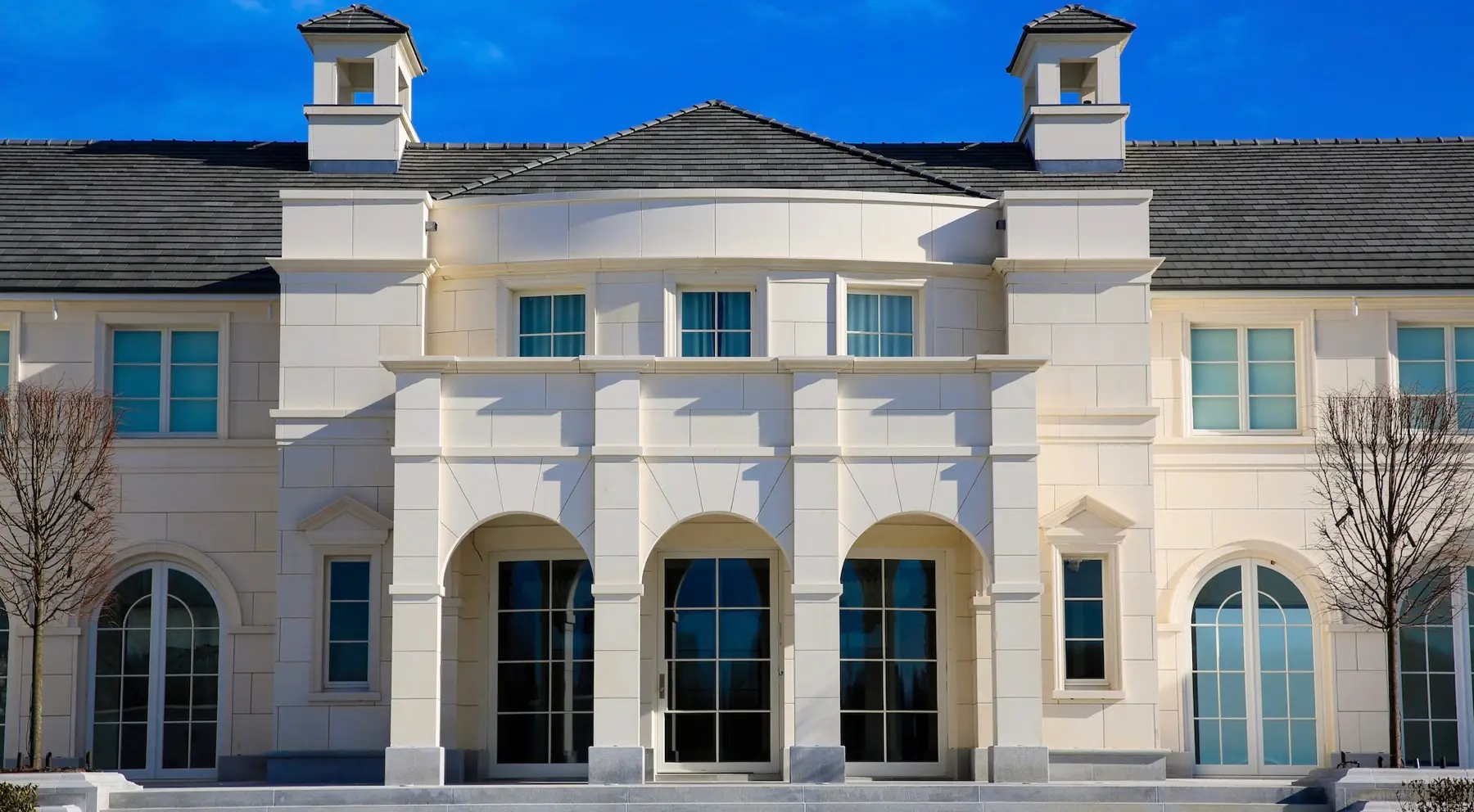
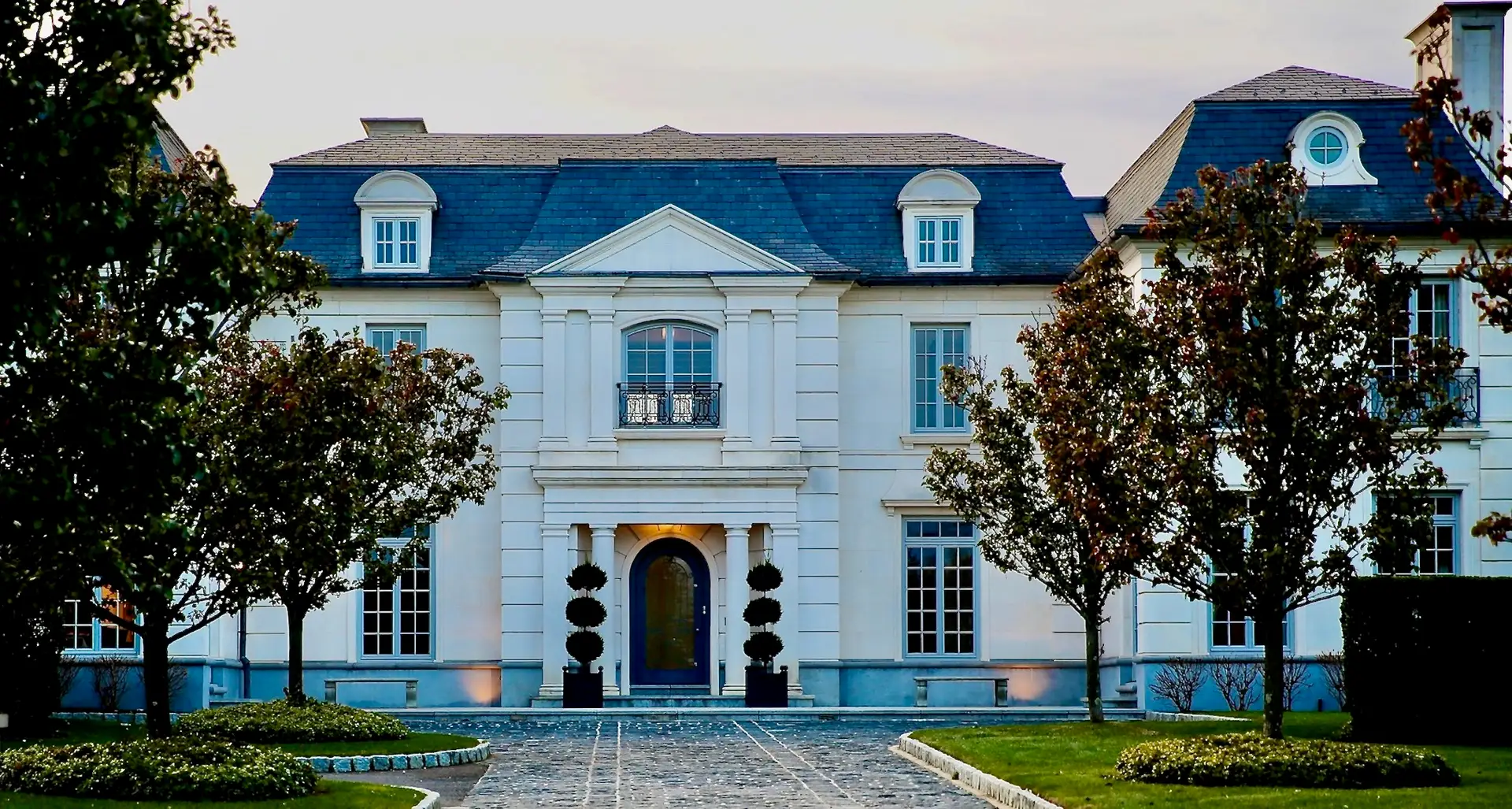
From European castles to prestigious North American facades, limestone remains a timeless material.
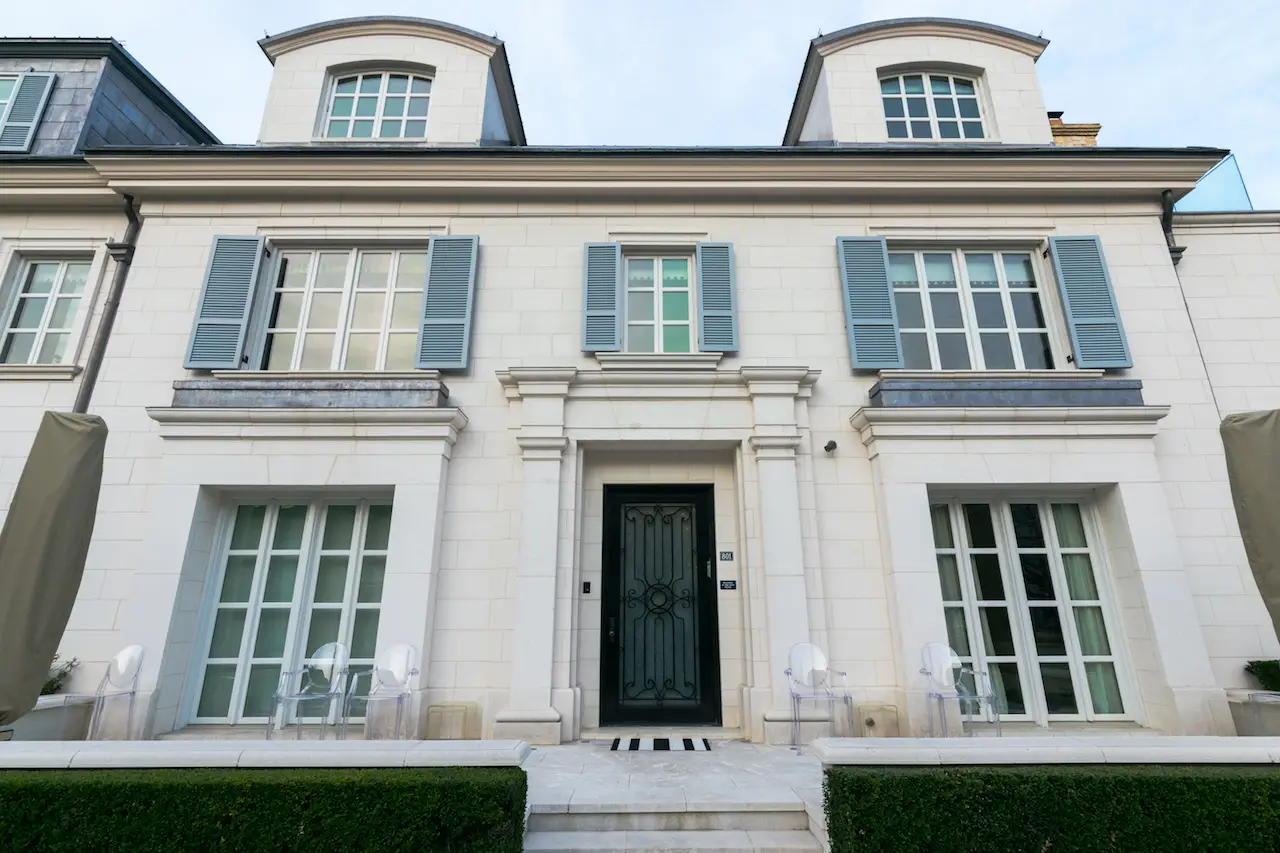
Limestone has a hardness of 3 to 4 on the Mohs scale, making it nearly twice as soft as granite. This is why it remains the classic choice for architectural mouldings and carved details.
Order a free sample to compare colours directly at your project site.
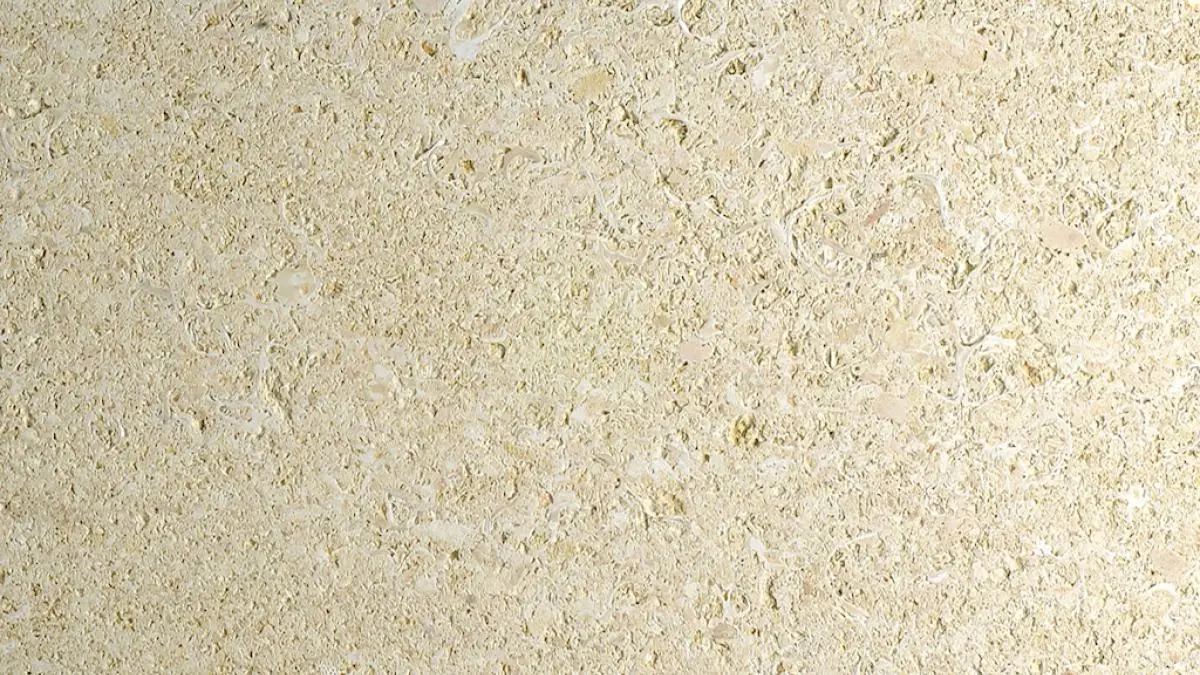
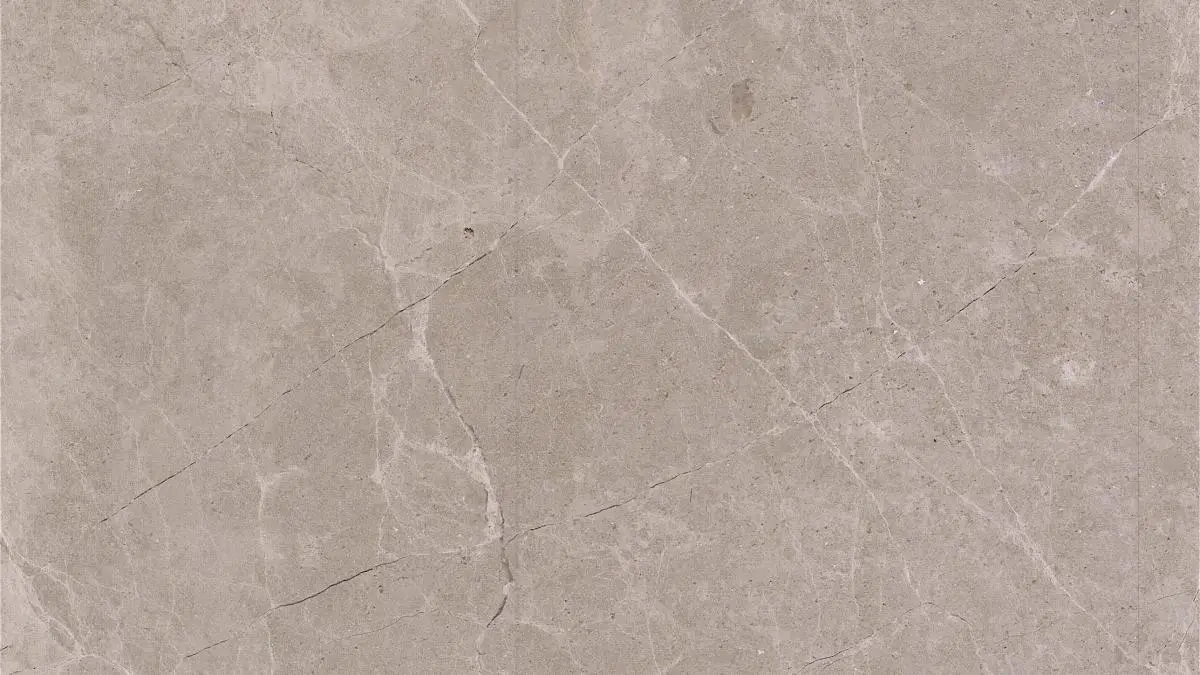
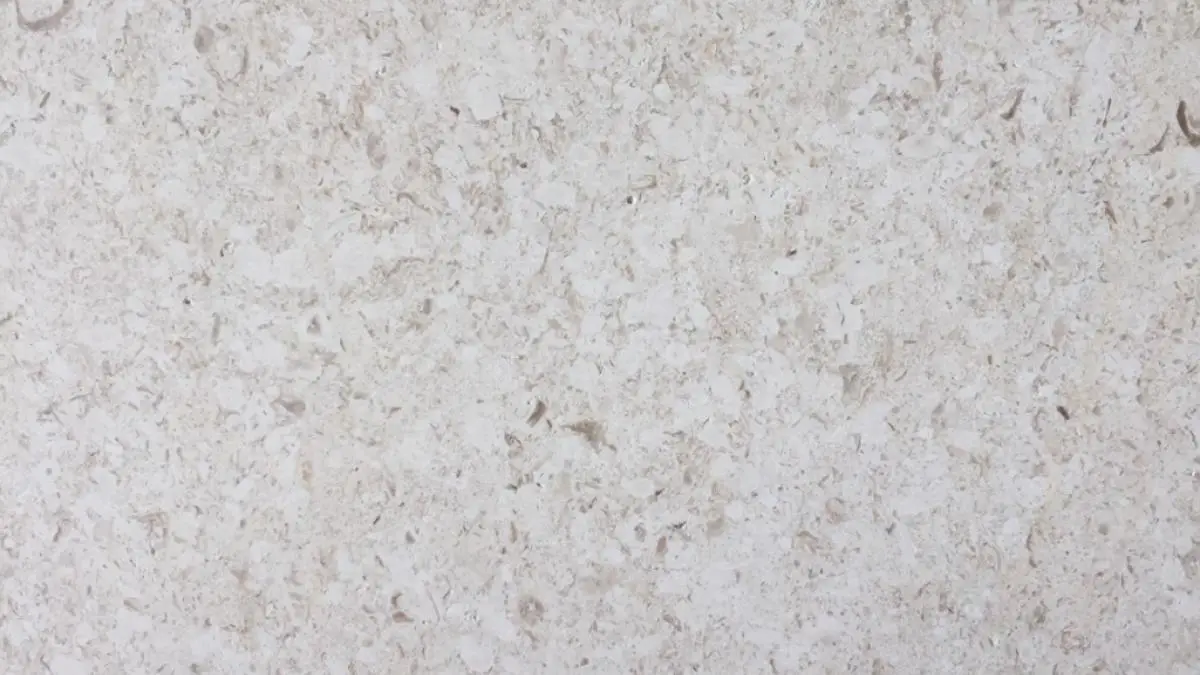
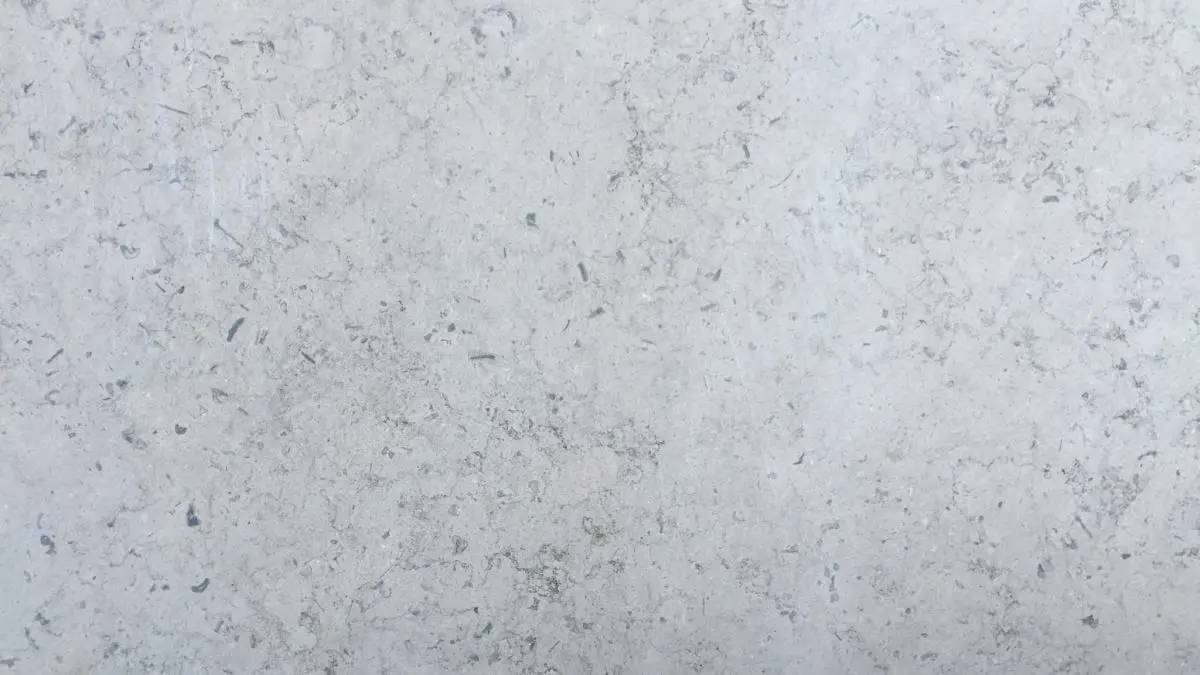
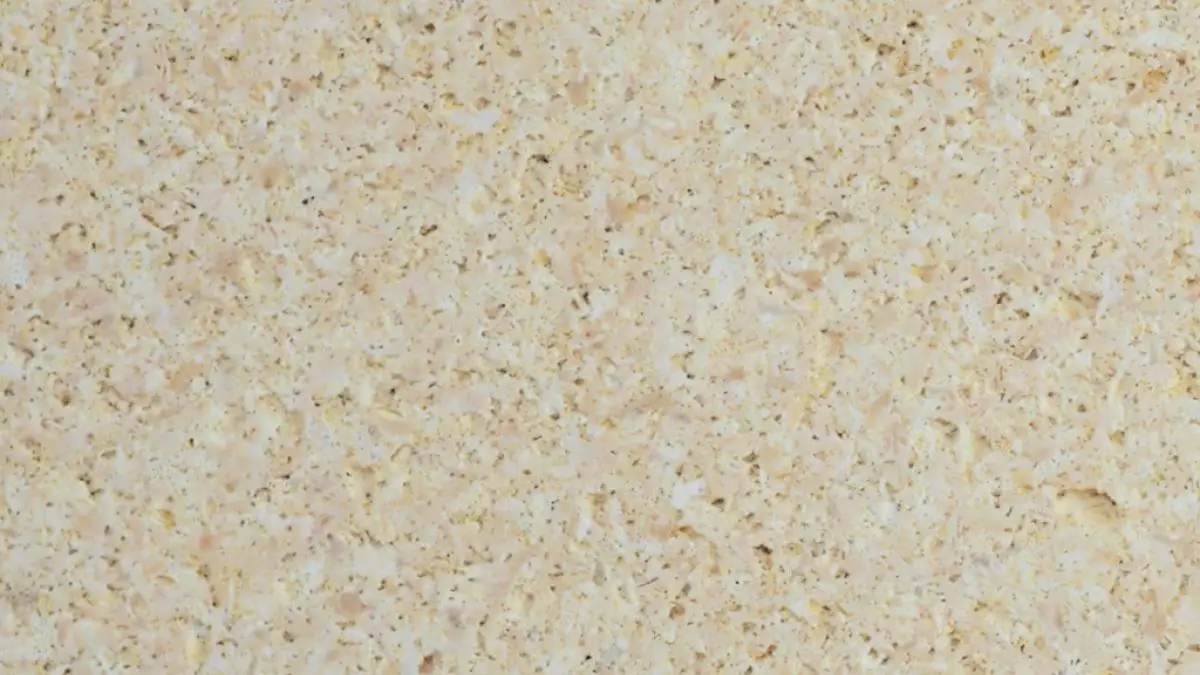
A leading choice for high-end facades: fossils, veining, and natural colour variations give it a rich character, and it is easy to carve.
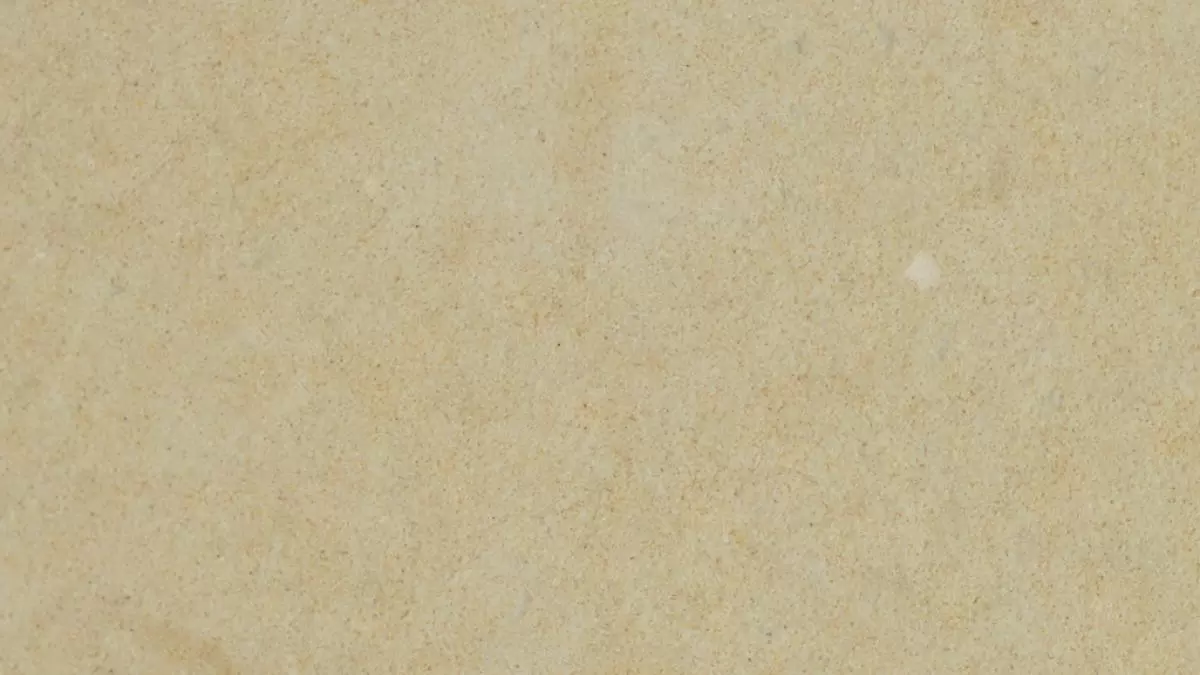
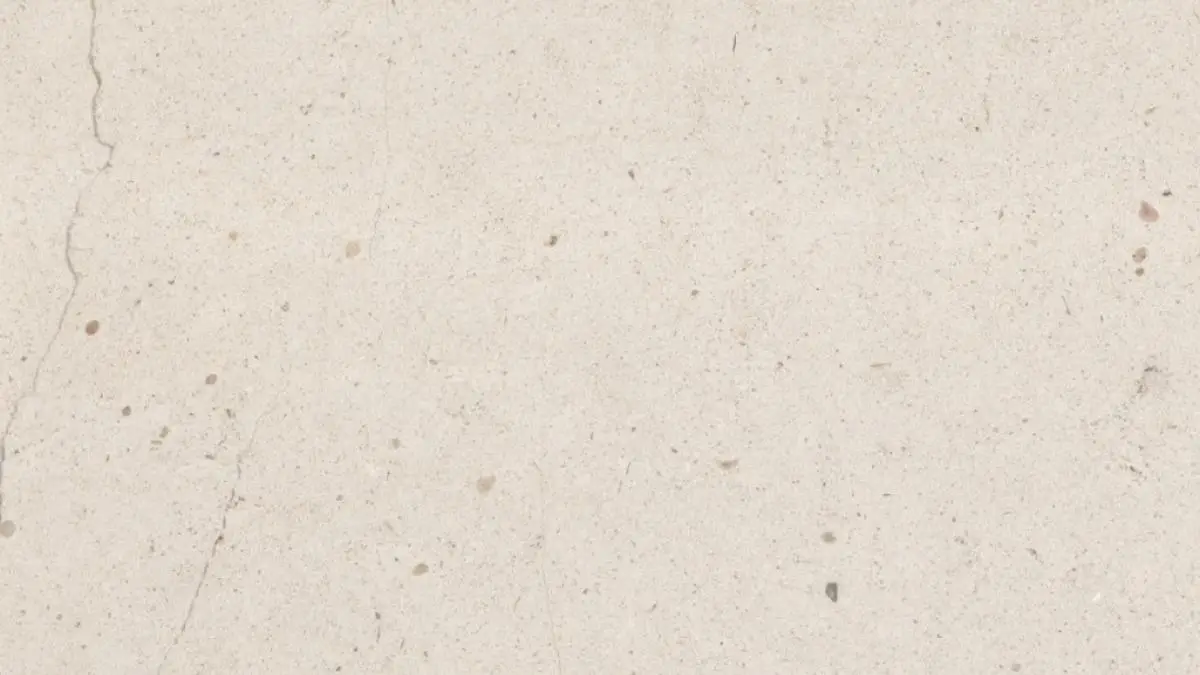
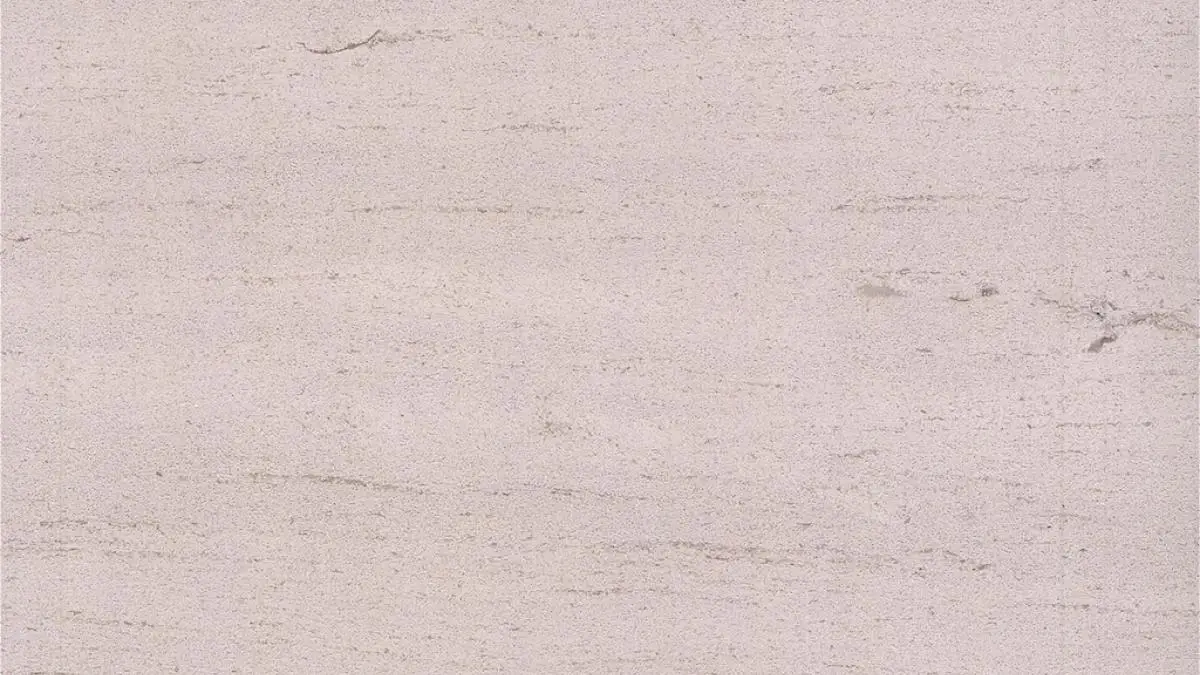
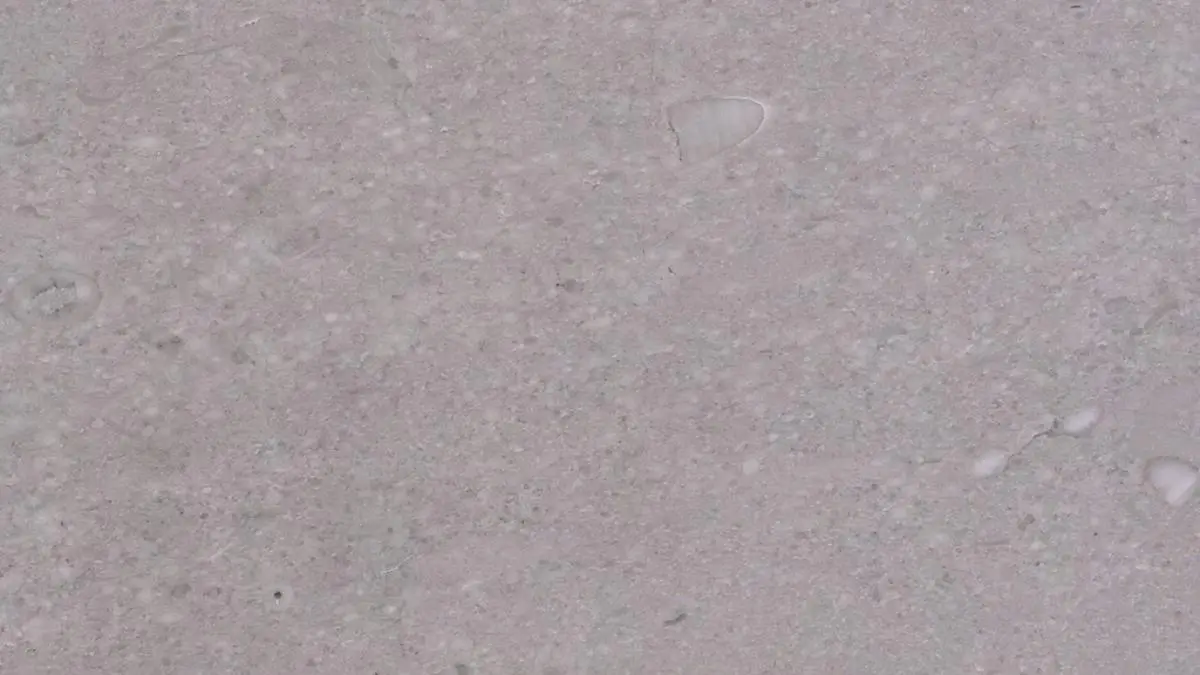
A uniform appearance and excellent slip resistance, especially well suited to pedestrian surfaces.
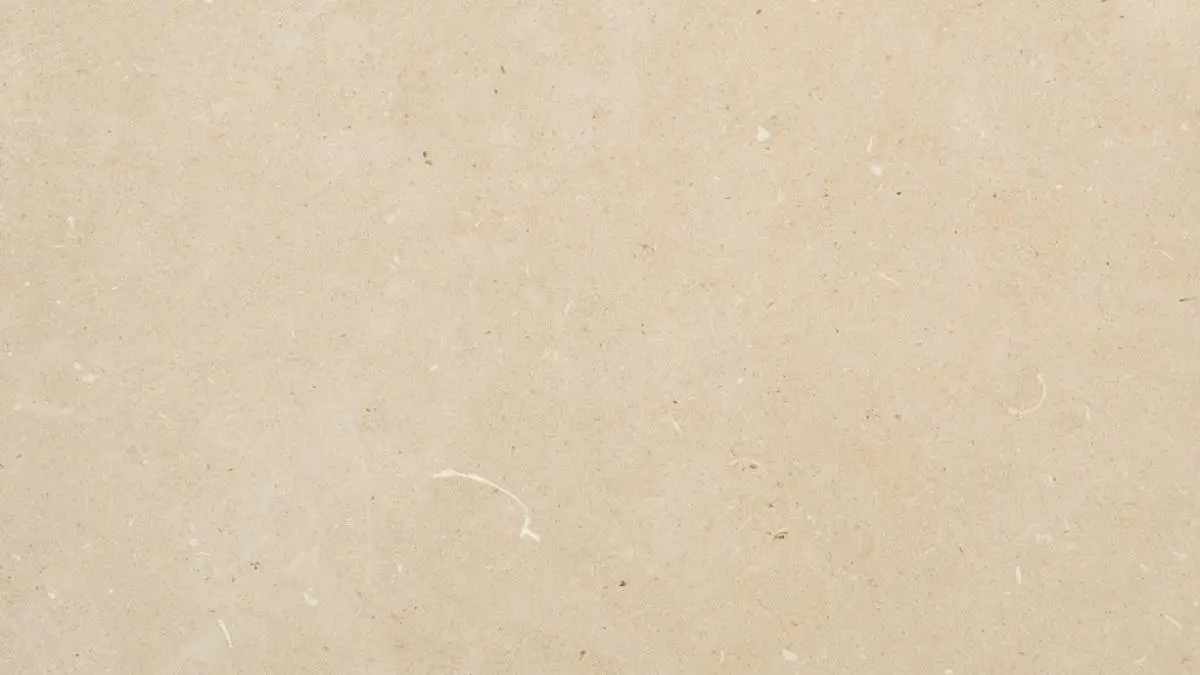
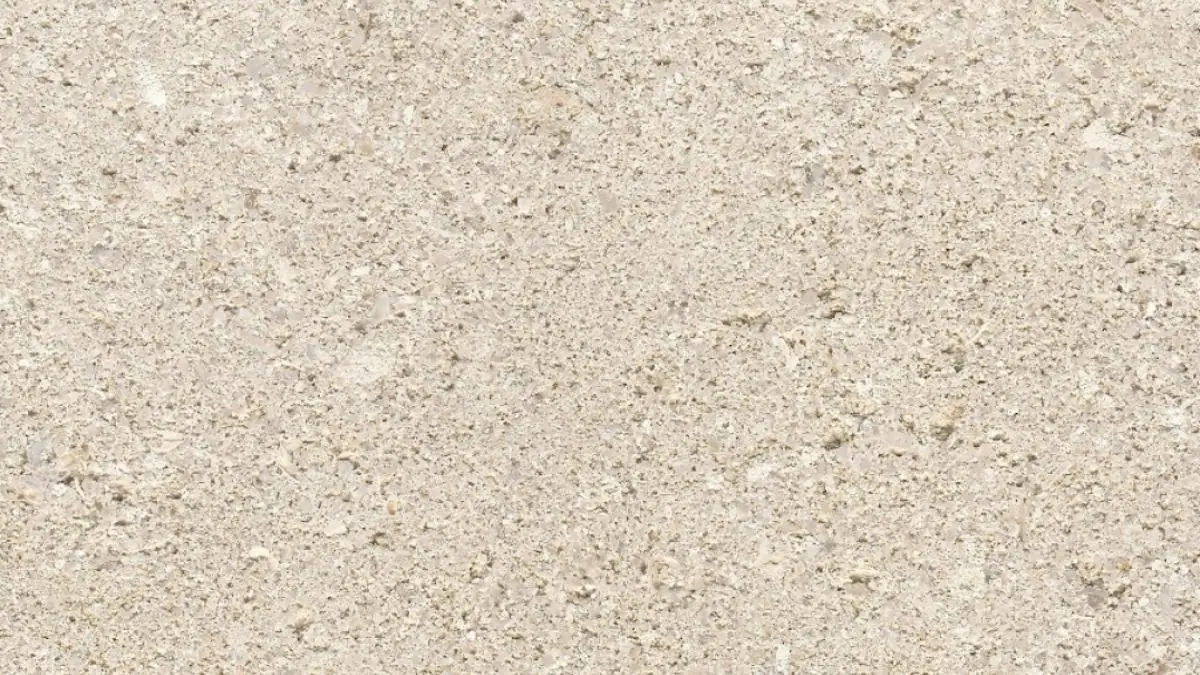
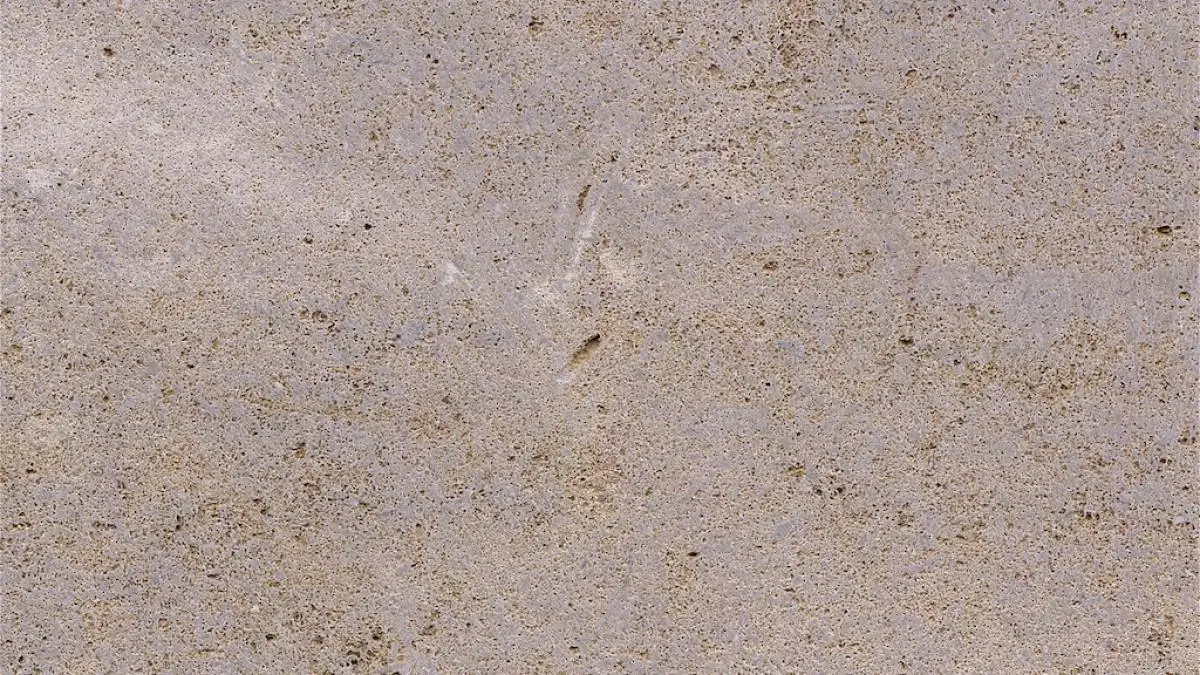
Harder and less porous, it suits projects that demand maximum freeze-thaw resistance with minimal maintenance.
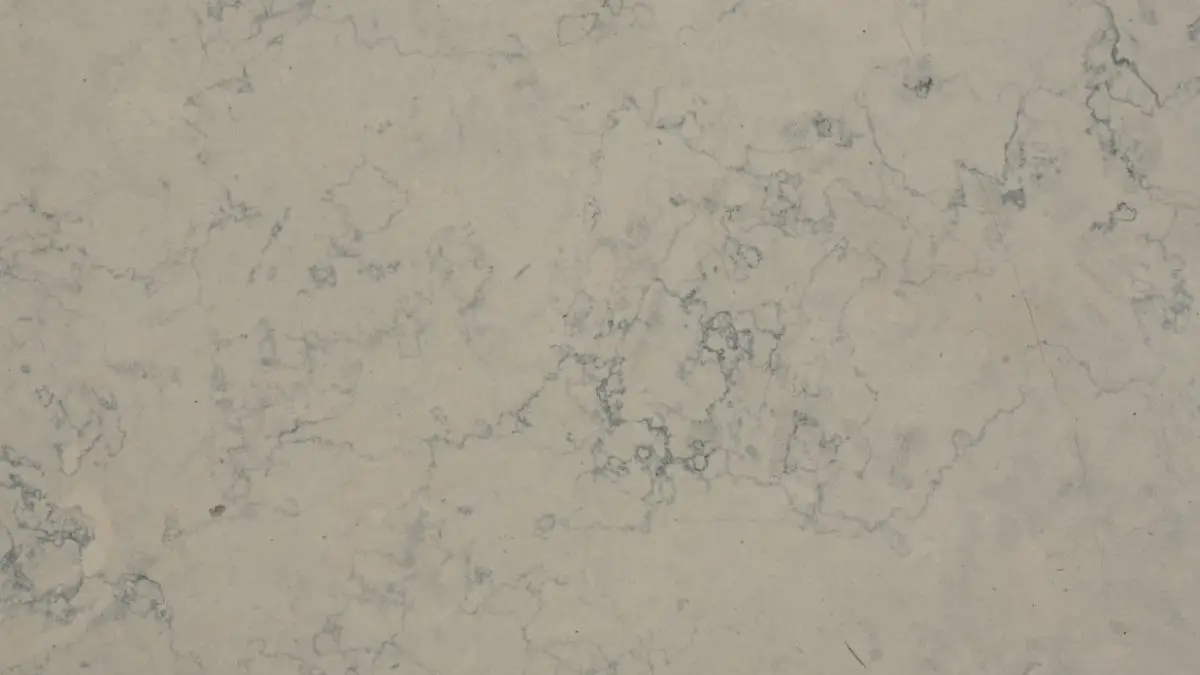
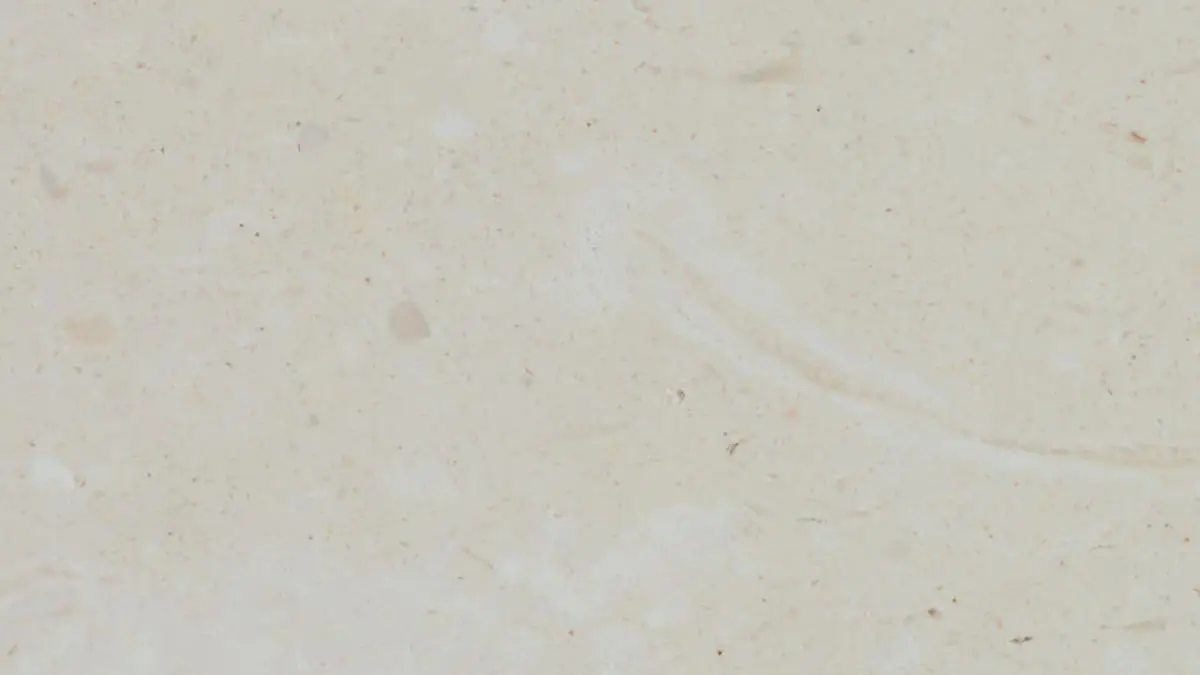
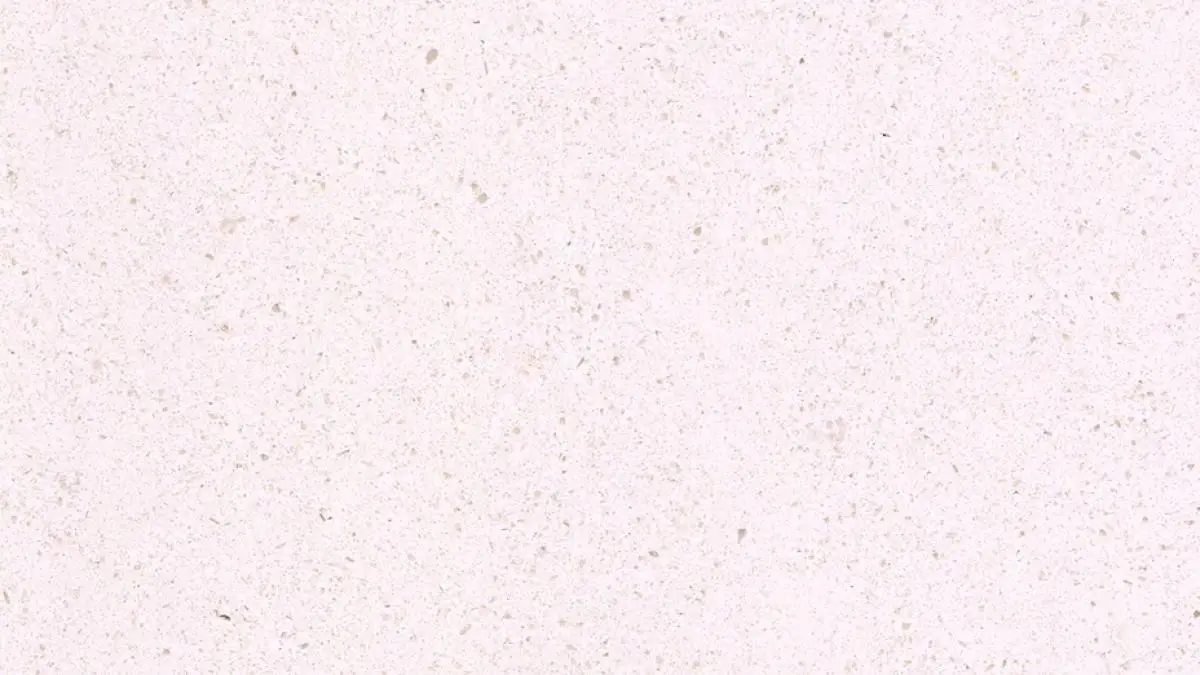
Best reserved for interiors because of its sensitivity to freeze-thaw cycles, it remains a sought-after choice for countertops, floors, and feature walls.
Our team can guide you based on your project’s architectural style and climate.
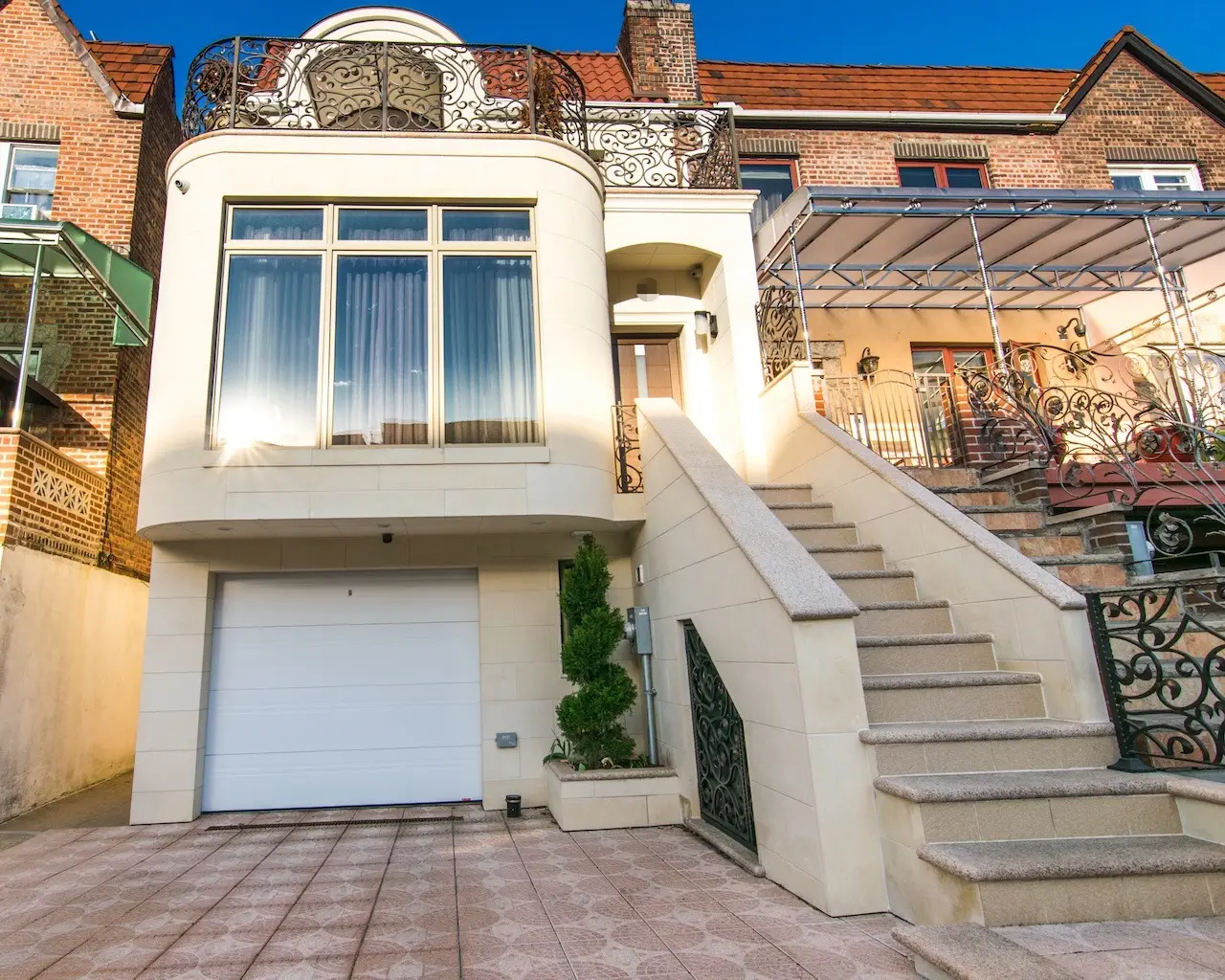
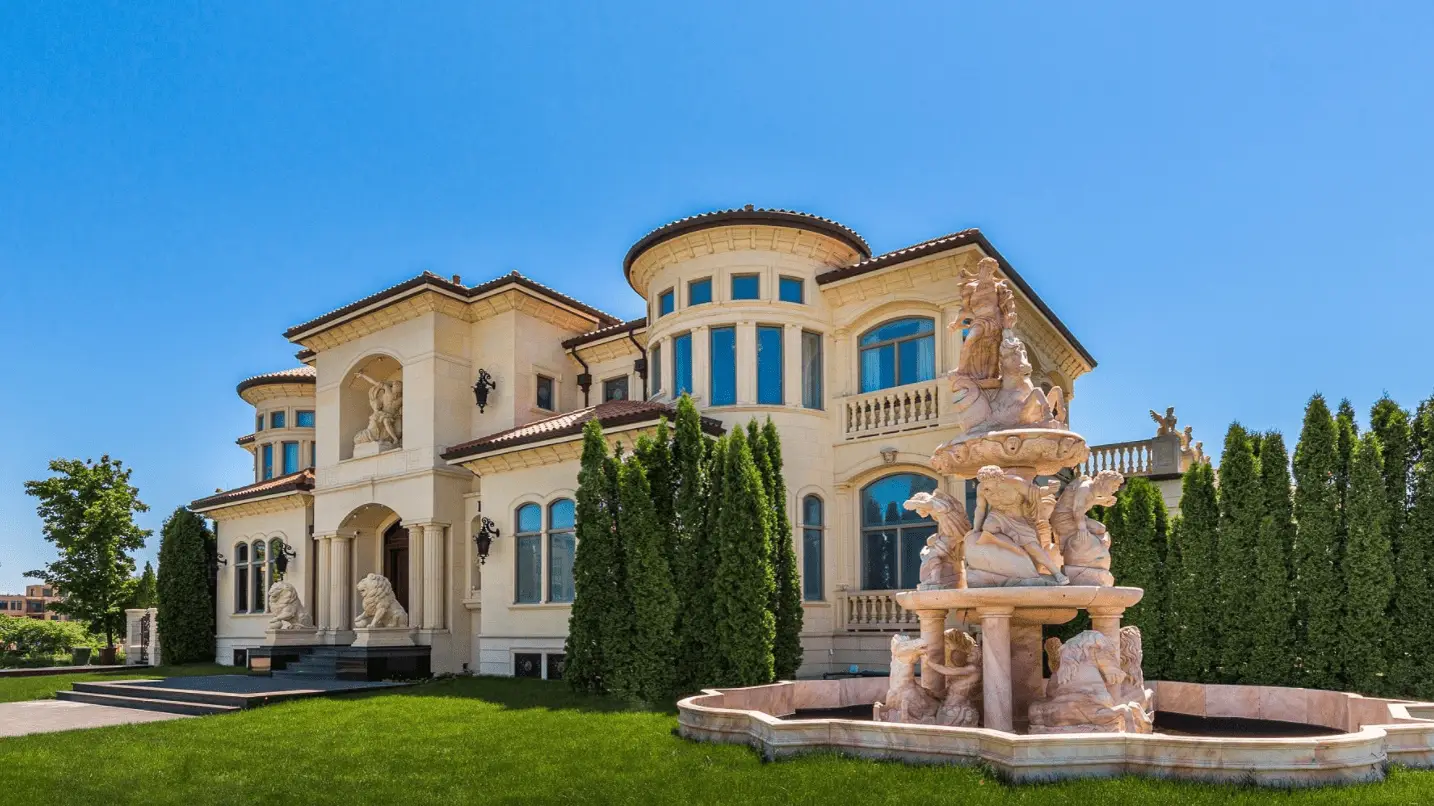
Architectural limestone is a natural sedimentary stone that has been used for millennia on some of the world’s most prestigious buildings. It can be cut with great precision to produce cladding panels, door and window surrounds, cornice mouldings, and detailed ornamental elements. Its natural colour palette, from creamy white to golden beige, complements every style from traditional to contemporary.
A honed finish creates a smooth, matte surface and is the most popular choice for facades. A polished finish adds a slight sheen and is used mainly indoors. Bush-hammering creates a rough, slip-resistant texture ideal for exterior steps. Sandblasting gives the stone a natural, weathered appearance, while a sawn finish leaves a more contemporary linear texture.
Yes, provided the right variety is selected. Freeze resistance depends on limestone’s porosity and density: dense, low-porosity limestone absorbs less water and withstands freeze-thaw cycles much better. A good drainage system, such as our StoneAdvise America ventilated facade system, maximizes durability in cold climates.
Maintenance is simple. Clean the stone every three to five years with water and a mild, non-acidic cleaner made for natural stone. Apply a water-repellent sealer every three to five years, and avoid acidic products or de-icing salts directly on the stone.
Thin stone veneer (3/4 to 1 1/2 inches) is the most popular option. Mechanically anchored cladding is generally 2 to 3 inches thick. Our engineering team recommends the ideal thickness based on your application, budget, and structural requirements.
Natural limestone forms over millions of years, and every piece is unique. Manufactured stone is factory-made from cement and pigments, with repeating patterns and colours that fade under UV exposure. Quality limestone can last for centuries, compared with 15 to 20 years for manufactured stone.
Yes. It is an excellent choice for floors, fireplaces, staircases, and feature walls. With a honed or polished finish, it creates a sophisticated atmosphere and is compatible with radiant floor heating.
From Greek temples and European cathedrals to prestigious North American homes, limestone has always been a material of choice. Unlike synthetic materials that deteriorate, it ages gracefully and develops a patina over the decades.
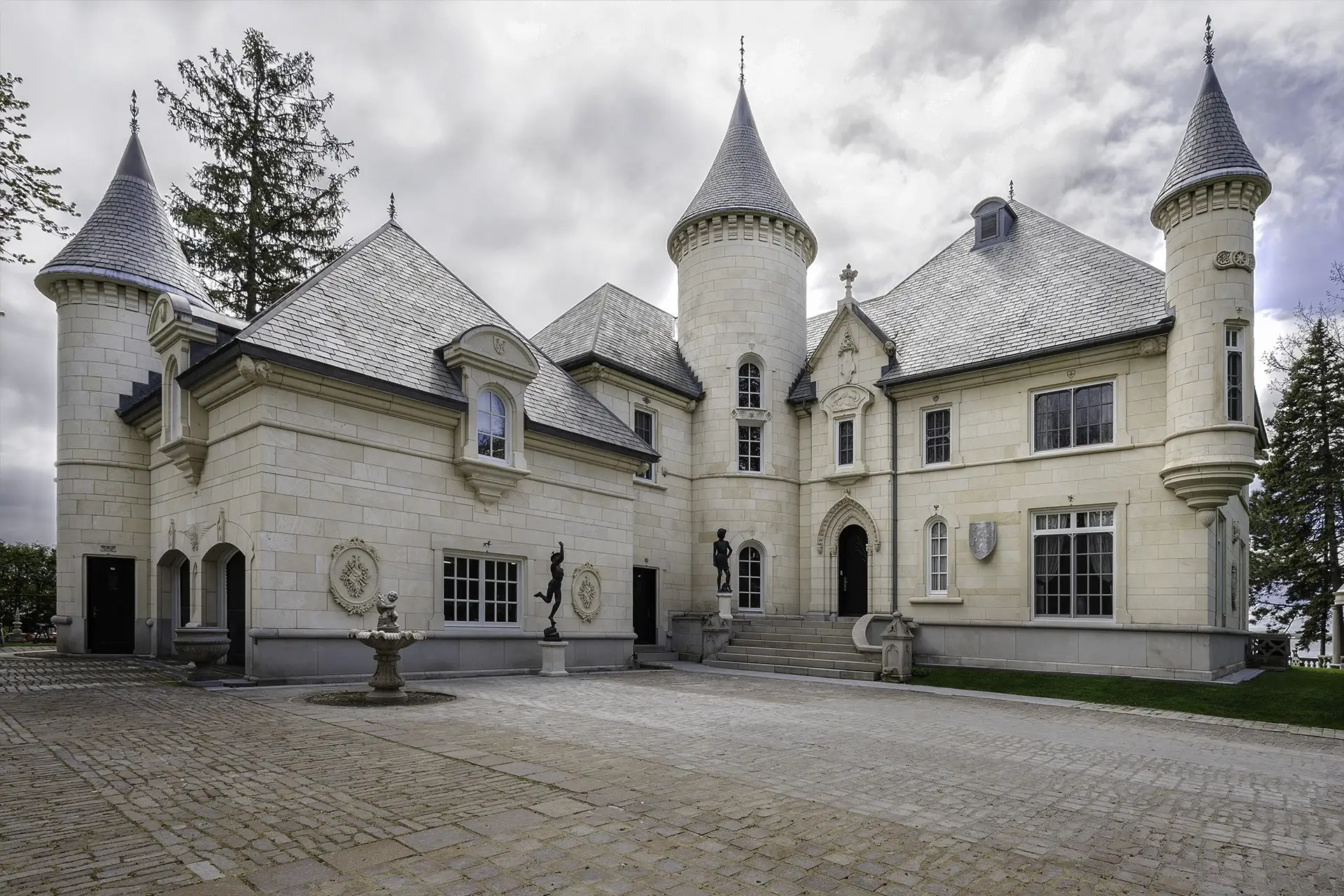
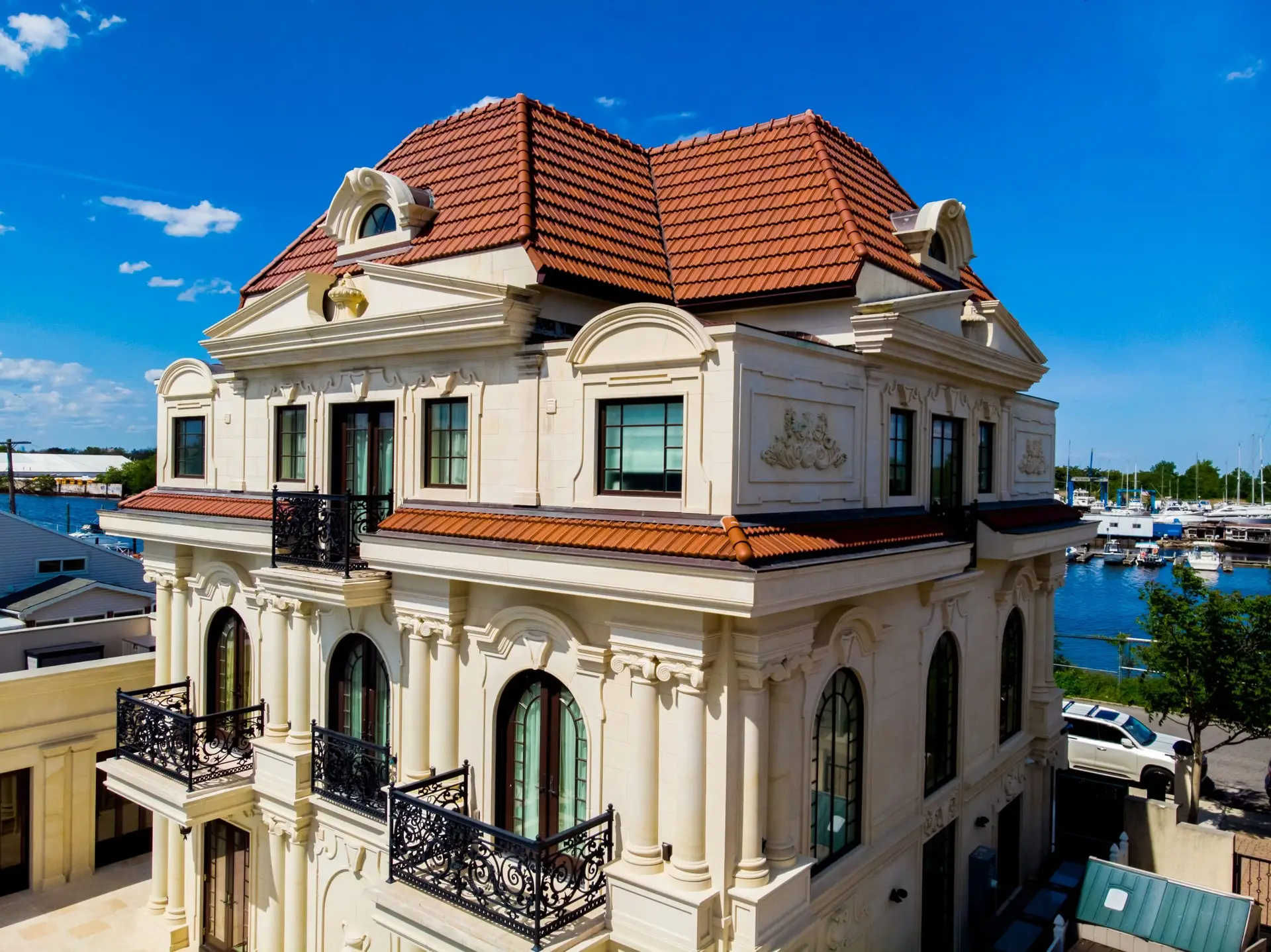
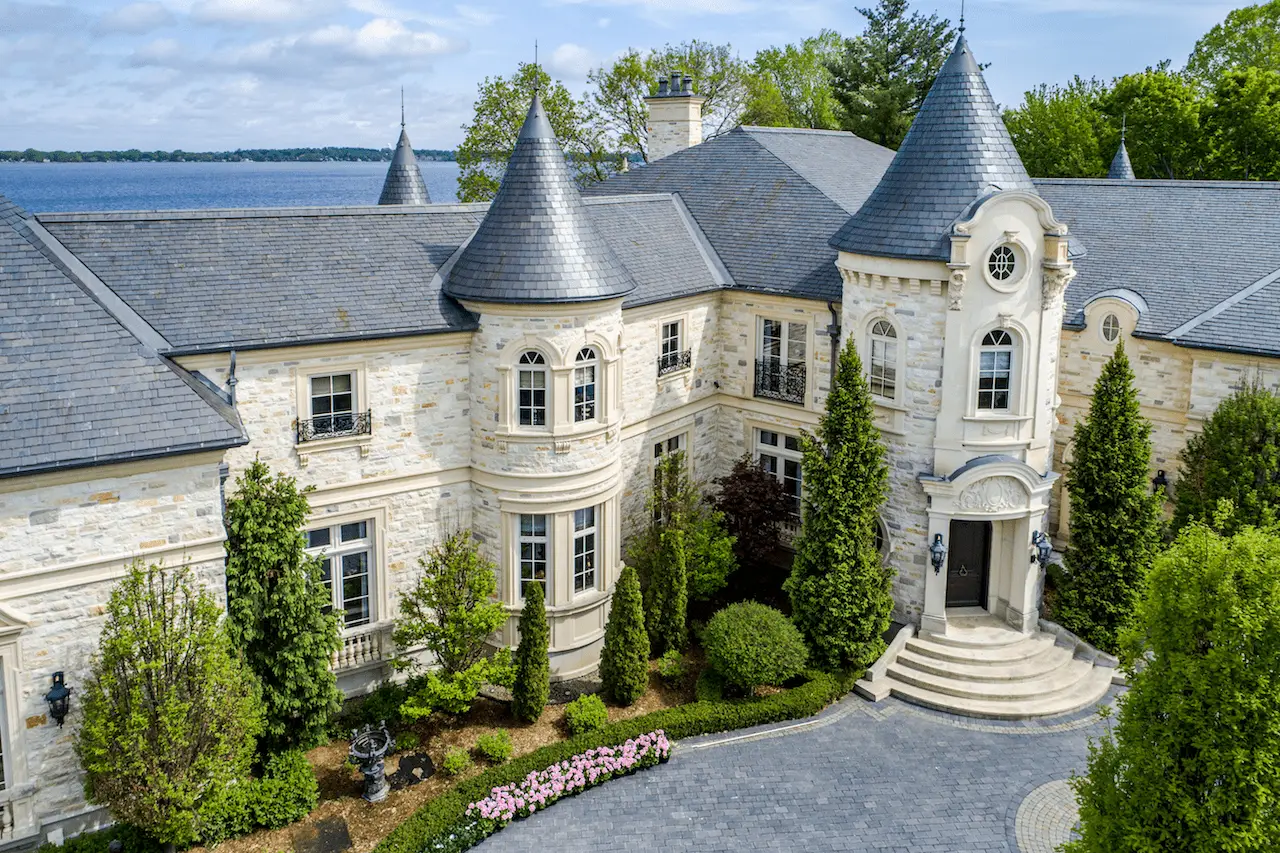

Request a free quote or order a limestone sample for your project.