Home  /  Stone Selection  /  Marble

NATURAL ARCHITECTURAL STONE

Custom Cut Marble for Interiors & Staircases

ABOUT MARBLE
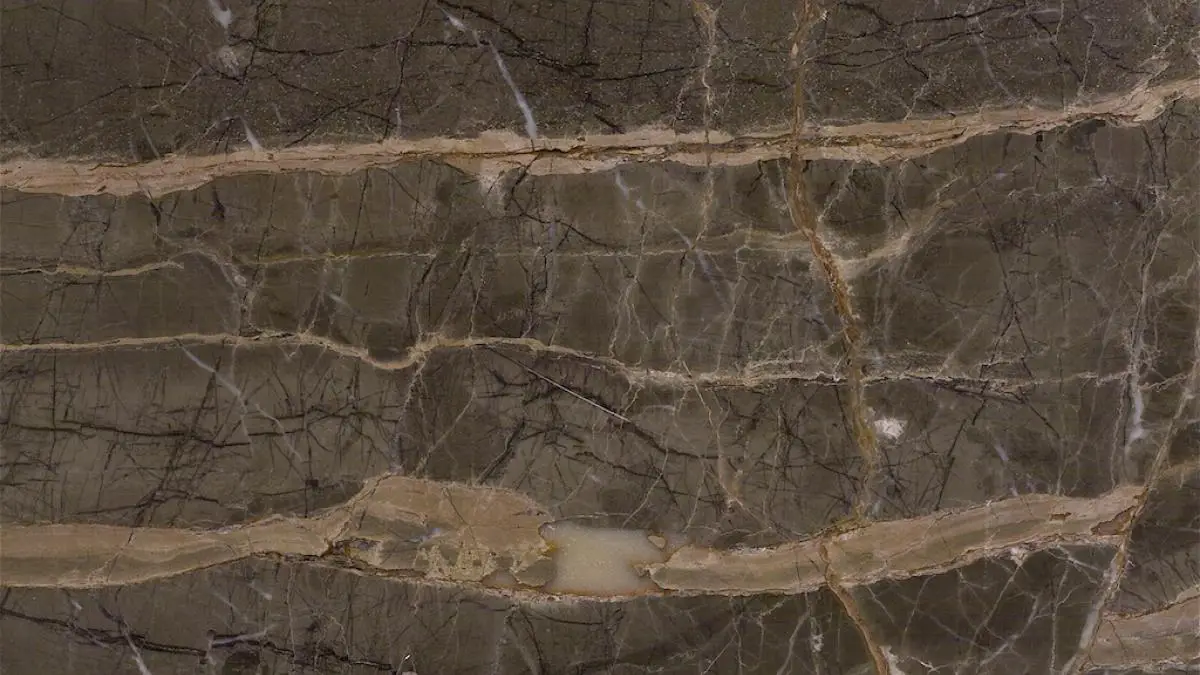
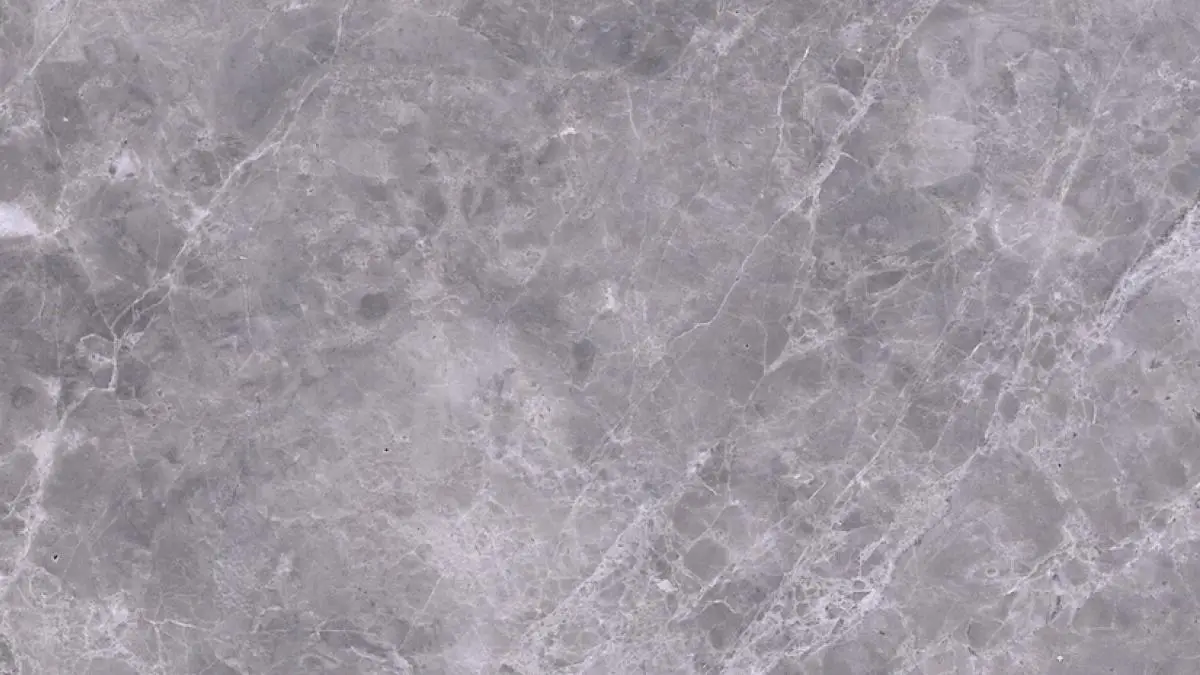
Marble is a metamorphic stone known for its unique natural veining and polished finish. At Pierrexpert, it’s custom cut for staircases, fireplaces, flooring, and accent walls indoors, where its climate stability and higher maintenance needs are best suited.
ORIGIN & COMPOSITION

An interior stone, first and foremost

Marble forms when limestone is exposed to intense heat and pressure over millions of years. That crystallization process gives marble its signature shine and veining, with every slab unique even within the same variety.
Technically, marble rates 3 to 4 on the Mohs hardness scale, similar to limestone, but with greater sensitivity to acid etching and staining. That’s why marble performs best in stable indoor environments rather than on exterior facades exposed to freeze-thaw cycles and de-icing salt. At Pierrexpert, marble is positioned as a custom marble slab supplier for interior applications: custom marble staircases, marble fireplace surrounds, natural marble flooring, and marble accent walls.
This isn’t a limitation, it’s a positioning choice. Luxury marble for interiors remains one of the most sought-after materials in high-end residential and commercial design, particularly for entryways, main staircases, and fireplaces.
USES

Applications

Interior staircases and stair treads
Fireplaces and mantels
High-end interior flooring
Accent walls and interior walls
Columns and carved elements
TECHNICAL SPECIFICATIONS

Technical specifications

Formation
Metamorphosed limestone under heat and pressure
Hardness (Mohs)
3 to 4
Porosity
Moderate to high, sealing required
Acid resistance
Low, sensitive to acid etching and staining
Recommended use
Indoor, stable climate
Maintenance
Regular sealing, pH-neutral products

Marble rates 3 to 4 on the Mohs hardness scale, the same as limestone, which explains both its ease of carving and its sensitivity to scratching in high-traffic areas.

CHOOSING THE RIGHT STONE

Marble, Limestone, Sandstone or Granite: How to Choose

Marble

Marble is reserved for interior applications: its sensitivity to freeze thaw cycles makes it a poor fit for cold climate exteriors, but it remains one of the most sought after stones for countertops, floors, accent walls and other high end interior features, thanks to its distinctive veining and elegant finish.

Limestone

For exterior facades, limestone remains the top choice: its natural variations, fossils, veining, shell imprints and colour nuances give it a rich, one of a kind character, and it also lends itself well to carving.

Sandstone

Sandstone offers a more uniform look, with excellent slip resistance suited to pedestrian surfaces.

Granite

Granite, harder and less porous, is the better fit for projects that demand maximum freeze thaw resistance with minimal upkeep.

Our team can guide you based on your project’s architectural style and climate.

FREQUENTLY ASKED QUESTIONS

Frequently asked questions

Can marble be used for an exterior facade?

No, marble is generally not recommended for exterior facades in cold climates such as Canada’s. Its crystalline structure makes it sensitive to freeze-thaw cycles, which can lead to crumbling, cracking, and loss of polish over time. For exterior projects in northern climates, we recommend denser, less porous stones such as limestone or granite. Marble remains an exceptional choice for interior applications, where its spectacular veining brings an unmatched touch of luxury.


Marble is the material of choice for fireplaces and mantels, staircases, entry hall and living room flooring, and luxury bathrooms. Every marble piece is unique thanks to its natural veining.

How do you maintain natural marble?

Marble is sensitive to acids: avoid vinegar, lemon juice, and commercial cleaners. Use only warm water and a neutral-pH soap. Apply a penetrating sealant, reapplied every 2 to 3 years for floors and walls.

What is the difference between marble and limestone?

Marble is limestone transformed by heat and pressure over millions of years. The most visible difference is veining: marble has pronounced, contrasting veins, while limestone has a more uniform grain. For facades, limestone is generally preferred. For high-end interior applications, marble is often the first choice.

Take the next step

Request a free quote or order a marble sample for your project.